

Canada’s parliamentary budget officer says the federal fuel tax pause gives the biggest break at the pumps to the families that earn the most, according to a report released Oct. 8.
The office estimates the average economic family saves $276 over the pause, which started in April and now runs into 2027. Families in the top income fifth save an average of $468, while those in the bottom fifth save $132.
The report puts the total cost to Ottawa at about $4.9 billion for 2026-27. That is slightly below the $5.3 billion Finance Canada projected when it announced the extension on Sept. 2.
Ottawa suspended the federal excise tax on gasoline, diesel and aviation fuel on April 20. The pause was set to end Sept. 7, but the government extended it. The taxes stay suspended through Jan. 31, 2027, return at half their regular rates in February and March, and come back in full on April 1.
The federal excise tax is 10 cents a litre on gasoline and four cents a litre on diesel. The Liberals have said the pause is meant to ease an energy price shock linked to the war in Iran.
The budget officer’s figures show why savings rise with income. Families earning at least $182,008 save $468 on average, those earning between $73,039 and $114,423 save $251, and those earning $41,064 or less save $132. Lower-income households spend a bigger share of their budgets on fuel, but higher-income households buy far more of it.
The top fifth of families receives about 34 per cent of the total savings, or $1.675 billion. The bottom fifth receives about 10 per cent, or $473 million.
The estimate carries a major caveat. The budget officer assumed fuel companies pass along 100 per cent of the tax cut to consumers. If producers or retailers keep some of it, the savings at the pump would be smaller.
The $276 figure is also not directly comparable with the $124 per household estimate released in May, because it measures economic families rather than households and leaves out changes in how much fuel people buy.
Finance Minister François-Philippe Champagne’s spokesperson, John Fragos, called the pause a “blanket measure” that applies evenly to everyone. He pointed to the income-tested Canada Groceries and Essentials Benefit as the program that targets lower-income households. Fragos also said diesel savings can flow through supply chains and lower prices in stores.
The government has not released its own per-family estimate of the savings.
The Conservatives proposed a motion to extend the tax break and cut other diesel-related fees. The other parties voted it down in the House of Commons.
For readers watching their budgets, the practical point is timing. The full savings last only until Jan. 31, and the tax returns in two steps after that. Anyone who drives a lot will see pump prices rise by about five cents a litre on gasoline in February if the rest of the market holds steady, and by the full 10 cents on April 1.
If you find reporting like this useful, consider supporting Canada News Media, an independent Canadian newsroom with no corporate parent.
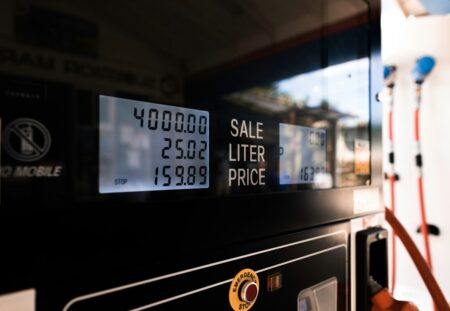
Via The Canadian Press, as published by CTV News, with additional figures from Advisor.ca and The Deep Dive. Featured image is a file photo of a gas pump, not tied to this story.
Follow Canada News Media
Get the day's top Canadian stories and our two daily 60-second news videos wherever you scroll.