


To test a sump pump, pour a bucket of water into the pit until the float rises, then confirm the pump starts quickly, empties the pit and shuts off on its own. Do it now, before the ground freezes and before the spring melt, and repeat it after any power outage.
Canadian plumbers cited by BrokerLink recommend testing the pump monthly, clearing the pit and discharge line each season, and having a licensed plumber inspect the whole system once a year. A pump that has sat idle through a dry fall is the one most likely to fail when heavy rain or snowmelt finally arrives.
The test takes about 15 minutes and needs a bucket of water (or a garden hose), a flashlight and some towels. Keep your hands and tools out of the pit while the pump is plugged in. If anything beyond the steps below looks wrong, or you are unsure about the electrical connection, call a licensed plumber or electrician.
Step 1: Open the pit and look inside
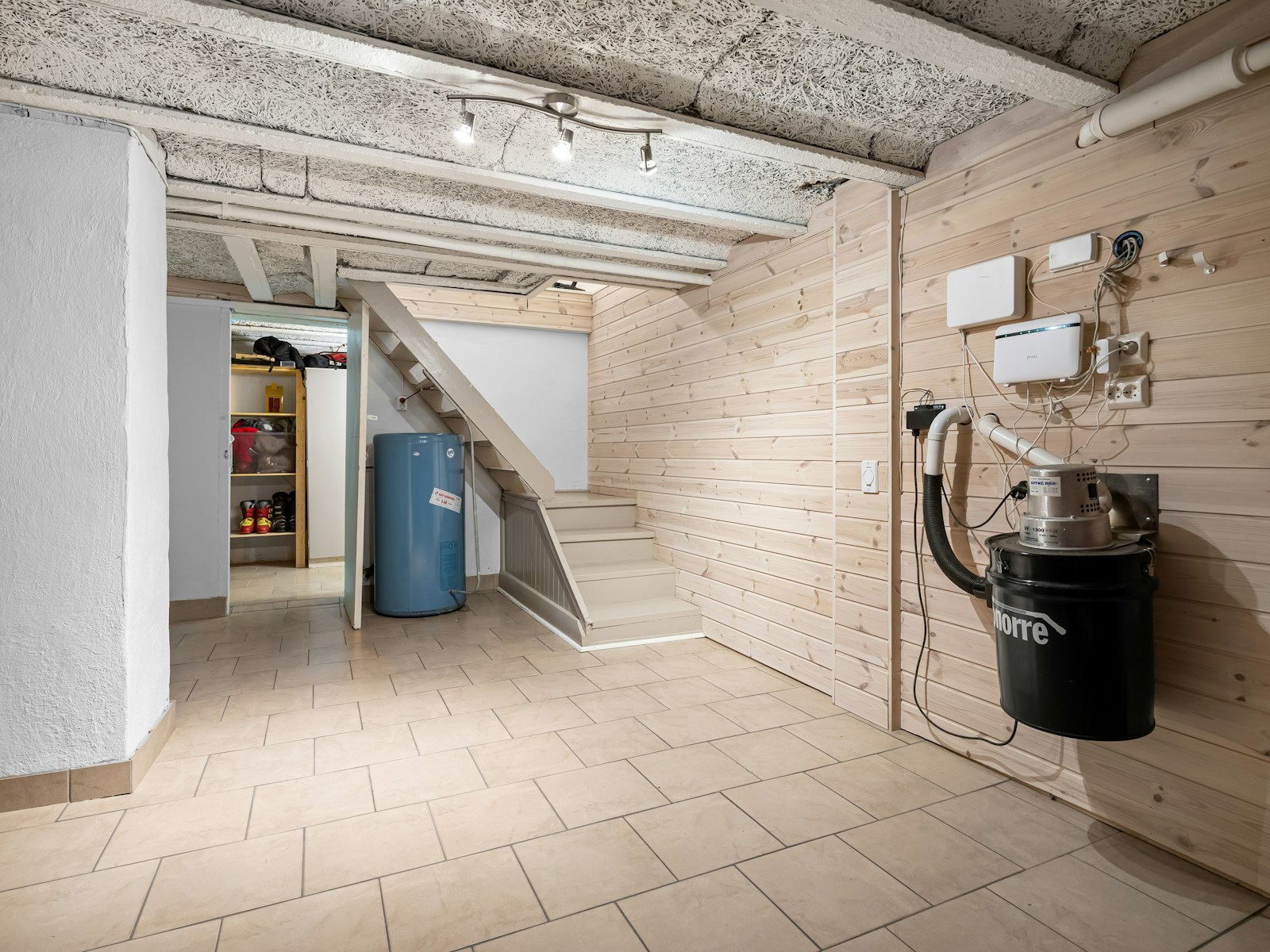
The pump sits at the lowest point of the basement, usually under a lid. Lift the lid and shine a flashlight inside. Look for debris, gravel or silt, and for anything that could jam the float or block the intake screen. Remove loose debris with a gloved hand only after you have unplugged the pump, then plug it back in.
Step 2: Check the power
Confirm the pump is plugged into a working ground fault circuit interrupter (GFCI) outlet and that the cord hangs freely so it cannot snag the float. Roto-Rooter advises against sharing that outlet with lamps or other devices that could trip the breaker. If your pump has a battery backup, check that the battery is charged. Do not open or rewire an outlet or panel yourself. That is work for a licensed electrician.
Step 3: Add water slowly
Pour a bucket of water into the pit, or run a garden hose into it, until the float rises. US Waterproofing says the float typically triggers when the water rises about eight to 12 inches from the bottom of the basin, though sources do not give a fixed volume, so add water until the pump switches on.
Step 4: Watch the pump cycle
A healthy pump starts within a second or two once the float lifts, drops the water level quickly and shuts off by itself near the bottom of the pit. US Waterproofing puts a normal cycle at roughly 15 to 30 seconds for a standard basin. Warning signs include a pump that struggles to start, runs without lowering the water, shuts off and restarts repeatedly, or makes loud noises or vibrates heavily.
Step 5: Check the discharge line outside
Go outside while the pump runs and confirm water leaves the pipe in a strong, steady flow. In winter, make sure the pipe is not frozen or packed with ice. BrokerLink says the line should empty onto the lawn or a splash pad well away from the foundation, in a spot that does not refreeze or slope back toward the house, and that it should never be connected to the municipal sewer, which most municipal codes prohibit. Insulating exposed pipe helps prevent freezing. For more on protecting pipes in the cold, see our guide to preventing frozen pipes this winter.
Step 6: Listen for the check valve
When the pump shuts off, listen for a brief clunk from the check valve, which keeps water in the discharge pipe from running back into the pit. US Waterproofing says that if water flows back or the pit refills right away, the valve has probably failed and needs replacing.
Step 7: Test the backup, if you have one
Use the test button if the backup system has one. Otherwise, with water in the pit, unplug the main pump and confirm the backup takes over within seconds, then plug the main pump back in. US Waterproofing says backup batteries should be replaced every three to five years, even if they have never been used, and BrokerLink says Canadian plumbers suggest servicing a battery backup twice a year.
If you cannot add water
You can lift the float by hand until the motor starts. Never let a sump pump run dry. US Waterproofing says to hold the float up for only two or three seconds, then lower it right away. This proves the float and motor work, but not that the pump can move water or that the discharge line is clear, so it is no substitute for the water test.
When to replace the pump
Roto-Rooter says to consider a replacement if the pump will not turn on, runs constantly, is noisy, feels hot, or if you have had repeated flooding or backups. It notes that most sump pumps last about seven years. If the pump still fails after you have checked for a tripped breaker or GFCI, a tangled float, a blocked intake and a frozen or clogged discharge line, call a plumber.
A flooded basement is far costlier than a quick test. Put the next check on the calendar for just before the spring thaw, and run one more after any power outage. Our winter storm prep checklist covers other jobs worth doing before the first big snowfall, and our guide to testing smoke and CO alarms belongs on the same weekend list.
If you find reporting like this useful, consider supporting Canada News Media, an independent Canadian newsroom with no corporate parent.
Sources: US Waterproofing, Roto-Rooter and BrokerLink.
Follow Canada News Media
Get the day's top Canadian stories and our two daily 60-second news videos wherever you scroll.
X Threads Facebook Instagram LinkedIn TikTok YouTube Pinterest Reddit Substack Flipboard Newsletter RSS