


The world can no longer hold global warming to 1.5 C without overshooting that limit, and getting back under it by 2100 would require emissions to fall 45 per cent from 2025 levels by 2035, the UN Environment Programme said in its 2026 Emissions Gap Report.
The agency released the report, titled The Point of Return, on Oct. 21, according to its news release. Its best remaining pathway gives a 50 per cent chance of peak warming of 1.7 C to 1.8 C around mid-century, followed by a return to 1.5 C or below by 2100. That path requires global emissions to drop 18 per cent by 2030, 45 per cent by 2035 and 69 per cent by 2040, all measured against 2025. The cuts average 5.7 per cent a year between 2025 and 2035, Climate Home News reported.
Countries are well short of that. Full implementation of existing national climate plans would cut emissions by only five to eight per cent by 2030 and 11 to 15 per cent by 2035, relative to 2025, the report found. It projects warming of 2.8 C this century under current policies and 2.6 C if all national plans are fully carried out. Global greenhouse gas emissions in 2025 totalled 58.4 gigatonnes of carbon dioxide equivalent, a very slight decline from 2024.
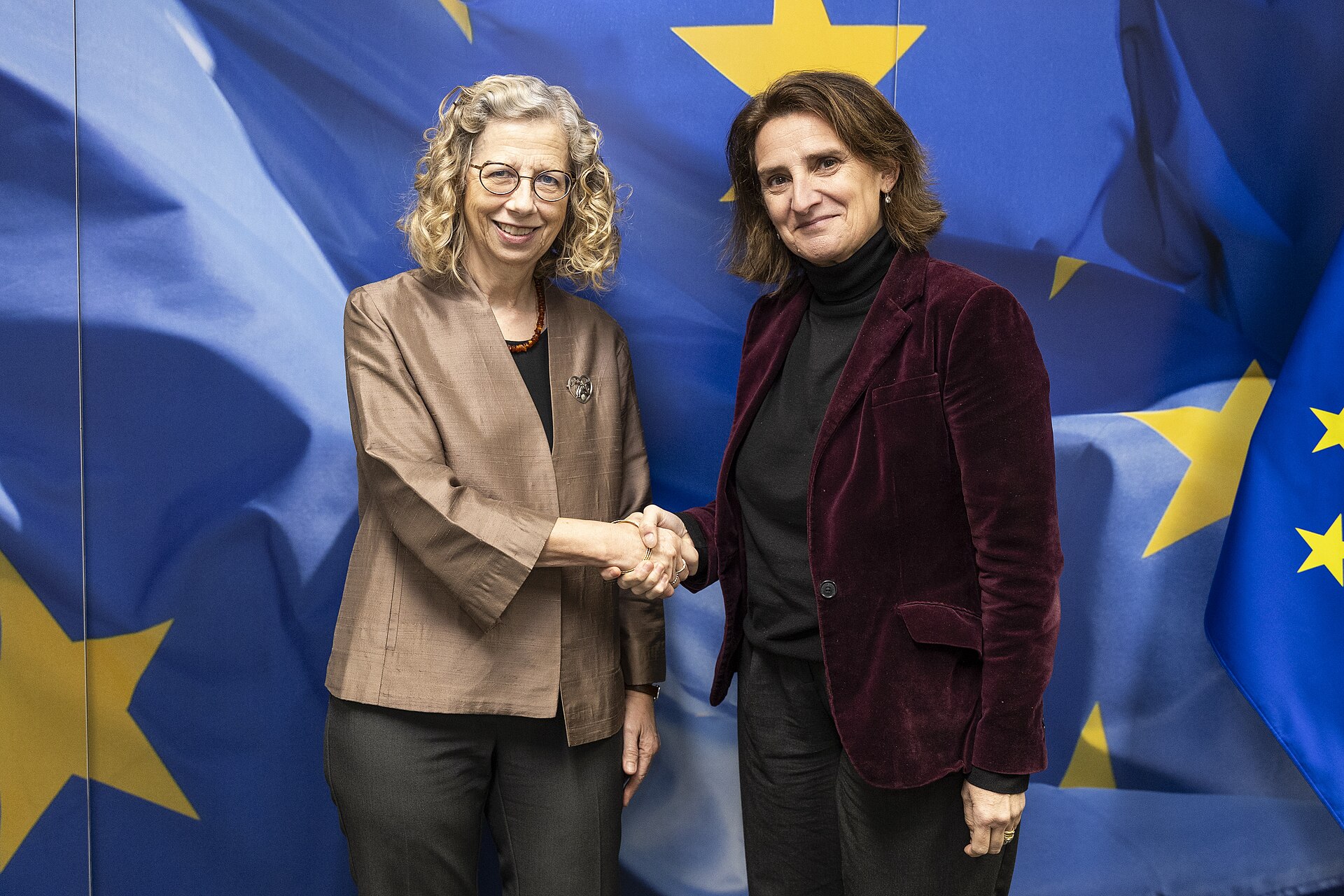
UN Secretary-General Antonio Guterres said current plans "fall dangerously short", but that "overshoot is not surrender." UNEP executive director Inger Andersen said nations must "pull out all the stops to minimise peak warming and return to 1.5C by the end of the century." She said "this is possible" and that "the point of return begins now, not later."
Co-author Anne Ohlhoff said every five years of emissions at current levels adds about 0.1 C to peak warming. She also said the United States’ exit from the Paris Agreement and its dropped net-zero goal weigh on the projections, Climate Home News reported.
The pathway also depends on pulling about 320 billion tonnes of carbon dioxide out of the atmosphere, roughly eight years of 2024 emissions. Report contributor Keywan Riahi said "all of those technologies come with risks."
The report did find some progress. Global renewable electricity capacity has grown three times faster than anticipated since 2015, and solar power deployment is seven times higher than projections from a decade ago.
Canada has already felt the warming the report describes. As we reported in September, a federal climate assessment found the country has warmed 2 C and another 1 C is unavoidable by 2040. Attention now turns to the COP31 talks, where only 77 leaders are listed so far, and to a record El Nino that the UN says is adding to extreme weather.
If you find reporting like this useful, consider supporting Canada News Media, an independent Canadian newsroom with no corporate parent.
Follow Canada News Media
Get the day's top Canadian stories and our two daily 60-second news videos wherever you scroll.
X Threads Facebook Instagram LinkedIn TikTok YouTube Pinterest Reddit Substack Flipboard Newsletter RSS