


The International Monetary Fund projects Bangladesh’s nominal GDP per capita will reach $2,886 in 2026, edging past India’s $2,749, according to figures from its October outlook reported by Al Jazeera on Oct. 25.
The gap is about $137 a person, and it does not hold for long. The same projections show India regaining the lead by 2029, when its per capita GDP is forecast at $3,661 against Bangladesh’s $3,334.
The lead also depends on how income is measured. Adjusted for purchasing power, India’s per capita GDP in 2026 is projected at $12,998 compared with $10,884 for Bangladesh, Al Jazeera reported, meaning the average Indian can buy more with their income.
India’s overall economy remains far larger. Al Jazeera reported 2026 nominal GDP of $4.15 trillion for India and $506.4 billion for Bangladesh, a country of about 175 million people. India is projected to grow 7 per cent this year and Bangladesh 3.6 per cent. Average consumer-price inflation is forecast at 5 per cent in India and 8.7 per cent in Bangladesh.
The comparison first drew attention in April, when the IMF’s spring projections put Bangladesh at about $2,911 and India at about $2,812. Business Today reported at the time that India was then expected to retake the lead in 2027. By Al Jazeera’s account of the October figures, Bangladesh now stays marginally ahead through 2028.
The Daily Star in Dhaka reported that the crossover reflects exchange-rate movements, especially the sharp fall in the value of the taka, and does not show which population is better off. It said Bangladesh led India from 1989 to 2002 before India pulled ahead for about 15 years.
Santosh Mehrotra, an Indian economist, told Al Jazeera that Bangladesh has grown consistently by about 6 per cent a year while its population growth has slowed. He said manufacturing’s share of Bangladesh’s gross value added rose from 16.6 per cent in 2014 to 22 per cent in 2025. “That’s a positive side of export-oriented manufacturing growth that Bangladesh is getting right,” Mehrotra said. Data from the World Bank, cited by Al Jazeera, show India’s manufacturing share fell from 15.1 per cent of GDP in 2014 to 13.5 per cent in 2024.
Others urged caution when the April figures emerged. Kaushik Basu, a former World Bank chief economist, called the projected crossover “shocking”, according to Business Today, and said India should focus on policy reform rather than headlines. Kanwal Sibal, a former Indian foreign secretary, said per capita income “has to be seen in a wider economic perspective”.
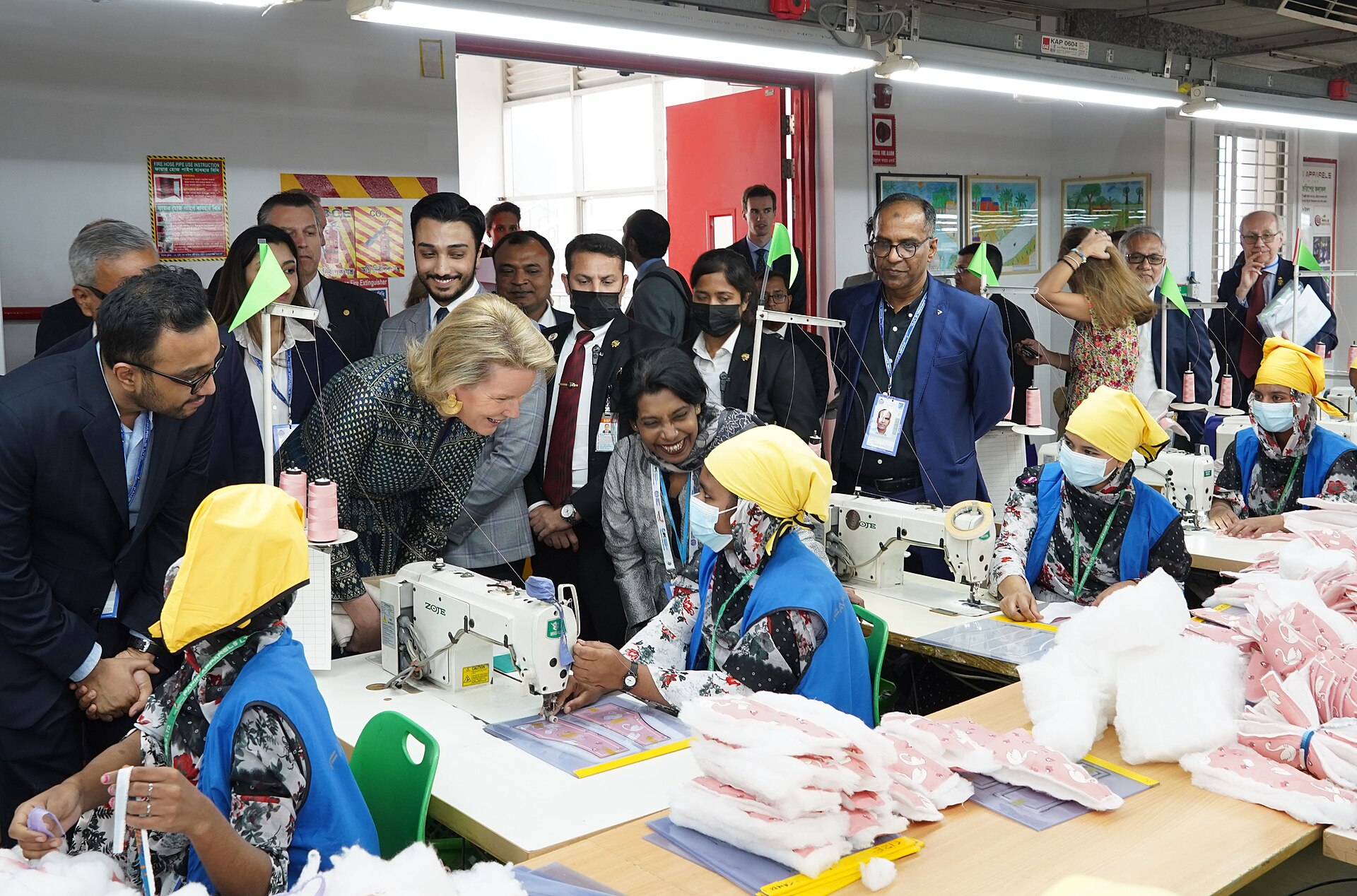
Bangladesh’s garment industry, worth about $38 billion and more than 80 per cent of export earnings, remains its main engine, along with remittances. Al Jazeera reported that the country imports 95 per cent of its oil and liquefied natural gas, much of it from the Middle East, and that the energy shock from the war on Iran and disrupted shipping through the Strait of Hormuz has hit its economy hard.
The story has a direct Canadian link through clothing. Global Affairs Canada’s Canada-Bangladesh relations page says bilateral merchandise trade exceeded $2.4 billion in 2018, with Canadian imports of nearly $1.7 billion led by woven and knit apparel. It estimates more than 100,000 Bangladeshi-Canadians live in this country and says Canada has provided more than $4 billion in international assistance to Bangladesh since 1972. Those figures are the most recent on the page, which carries no update date.
Asia’s economic balance is also shifting in other ways. China’s third-quarter growth quickened to 4.5 per cent on strong exports, as Canada News Media reported on Oct. 19.
All of the figures are forecasts, and dollar-denominated per capita numbers shift with exchange rates, so the ranking can change without any change in output.
If you find reporting like this useful, consider supporting Canada News Media, an independent Canadian newsroom with no corporate parent.
Via Al Jazeera, Business Today and The Daily Star.
Follow Canada News Media
Get the day's top Canadian stories and our two daily 60-second news videos wherever you scroll.
X Threads Facebook Instagram LinkedIn TikTok YouTube Pinterest Reddit Substack Flipboard Newsletter RSS