


Canada and the United States are not expected to reach a trade deal before the U.S. midterm elections on Nov. 3, CBC News reported on Oct. 27, citing three unnamed sources, with control of Congress and Washington’s tariff powers both in play.
The sources told CBC that Canadian officials have warned industry groups not to expect an agreement before voters go to the polls, and that there is no substantial engagement between the two sides, according to an Anadolu Agency account of the CBC report. We could not open the CBC page itself, so these details are attributed to that account and are developing.
The talks failed in August after Prime Minister Mark Carney ended negotiations, CTV News political analyst Eric Ham wrote on Oct. 30. The White House then imposed tariffs on a range of goods, Ottawa retaliated, and each country now charges import duties on billions of dollars of the other’s goods, Ham wrote.
Canada-U.S. Trade Minister Dominic LeBlanc told CBC in an interview that "we have continued to remain engaged with the United States." He said Canada is "not going to rush into some particular circumstance," according to the Anadolu account.
Brian Clow, a former deputy chief of staff to former prime minister Justin Trudeau, told CBC the window for a deal before the vote "appears to be entirely closed."
The two governments have sent mixed signals. Carney told reporters in Ottawa on Monday, Oct. 26, after a meeting with First Nations leaders and first ministers, that the Trump administration is "coming closer to our position," CTV reported. Trump told reporters at the White House the week before that the United States "holds all the cards," according to the same CTV piece.
White House economic adviser Kevin Hassett had said a deal was "very close", as we reported on Oct. 25, and we also reported that the two sides were working on a deal to ease steel and auto tariffs. The unnamed sources cited by CBC describe a less advanced picture.
The deadline that worries Canadian industry most is the one Trump set himself. In an August post on Truth Social, he threatened to raise tariffs on cars, trucks, auto parts and steel to 50 per cent as of Jan. 1, 2027, according to the CBC report as relayed by Anadolu. LeBlanc said Washington has not taken any official step to do so. LeBlanc called the threat "obviously of concern."
U.S. Trade Representative Jamieson Greer said, per CBC, that the tariffs are "not focused on any one country."
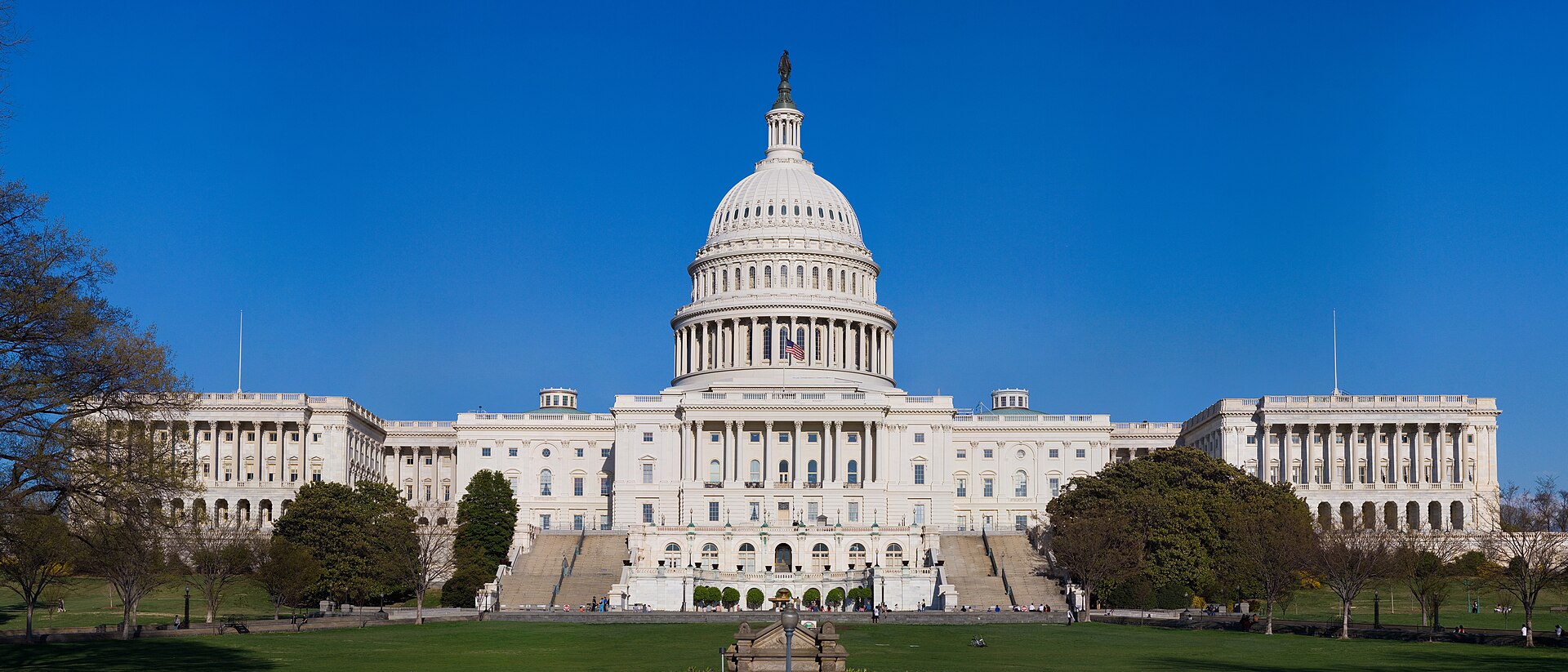
The midterms could change who writes U.S. trade policy. Ham reported that Democrats have vowed to rescind all of Trump’s tariffs and trade authorities within the first 100 hours of taking office, though overriding a presidential veto would take a two-thirds majority in both chambers. The Canadian Press reported on Oct. 29 that control of Congress is up for grabs in tight races across the country.
For Canadians, the practical effect is continued uncertainty for auto, steel and aluminum workers and for businesses that export to the U.S. Our latest tally of changes in tariff lines is in our report on the 100 Canadian product lines added and 22 dropped on Oct. 30.
The next markers are the Nov. 3 vote and the Jan. 1, 2027 date in Trump’s threat. Neither CBC nor CTV gave a date for the next round of talks.
If you find reporting like this useful, consider supporting Canada News Media, an independent Canadian newsroom with no corporate parent.
Via CBC News (as reported by Anadolu Agency) and CTV News.
Follow Canada News Media
Get the day's top Canadian stories and our two daily 60-second news videos wherever you scroll.
X Threads Facebook Instagram LinkedIn TikTok YouTube Pinterest Reddit Substack Flipboard Newsletter RSS