


Saudi Arabia suspended all travel to and entry from Kenya on Oct. 30, according to the Saudi Press Agency, the same day Congo’s government reported that its Ebola outbreak has killed more than 5,000 people.
Kenya has confirmed nine Ebola cases and two deaths since its first case was announced on Oct. 6, the BBC reported, and officials say all nine are linked to that first patient. Kenya’s government has ruled out a national lockdown or travel restrictions of its own.
The Saudi order bars Saudi citizens from travelling to Kenya and pauses all types of visas for travellers from the country, Al Jazeera and Reuters reported. It also prohibits entry to anyone who has stayed in Kenya or another Ebola-affected country in the previous 21 days, including people transiting through third countries. Saudi Arabia suspended travel to and entry from Congo, Uganda and South Sudan in June.
In Congo, more than 10,300 cases have been confirmed across eight of the country’s 26 provinces, and the case fatality rate is 48.6 per cent, the BBC reported, citing government data. The outbreak is the country’s deadliest on record and the second-largest Ebola epidemic ever, behind the 2014-2016 outbreak in West Africa that infected more than 28,600 people and killed more than 11,000, Al Jazeera reported.
The epicentre remains Ituri province in the north-east, a conflict zone where health teams struggle to reach communities. A nurse was killed and another health worker seriously injured this week when responding to an Ebola alert after local youths accused them of contaminating water sources, the BBC reported, citing Radio Okapi. There is no approved vaccine or treatment for the Bundibugyo strain behind this outbreak, though clinical trials are under way.
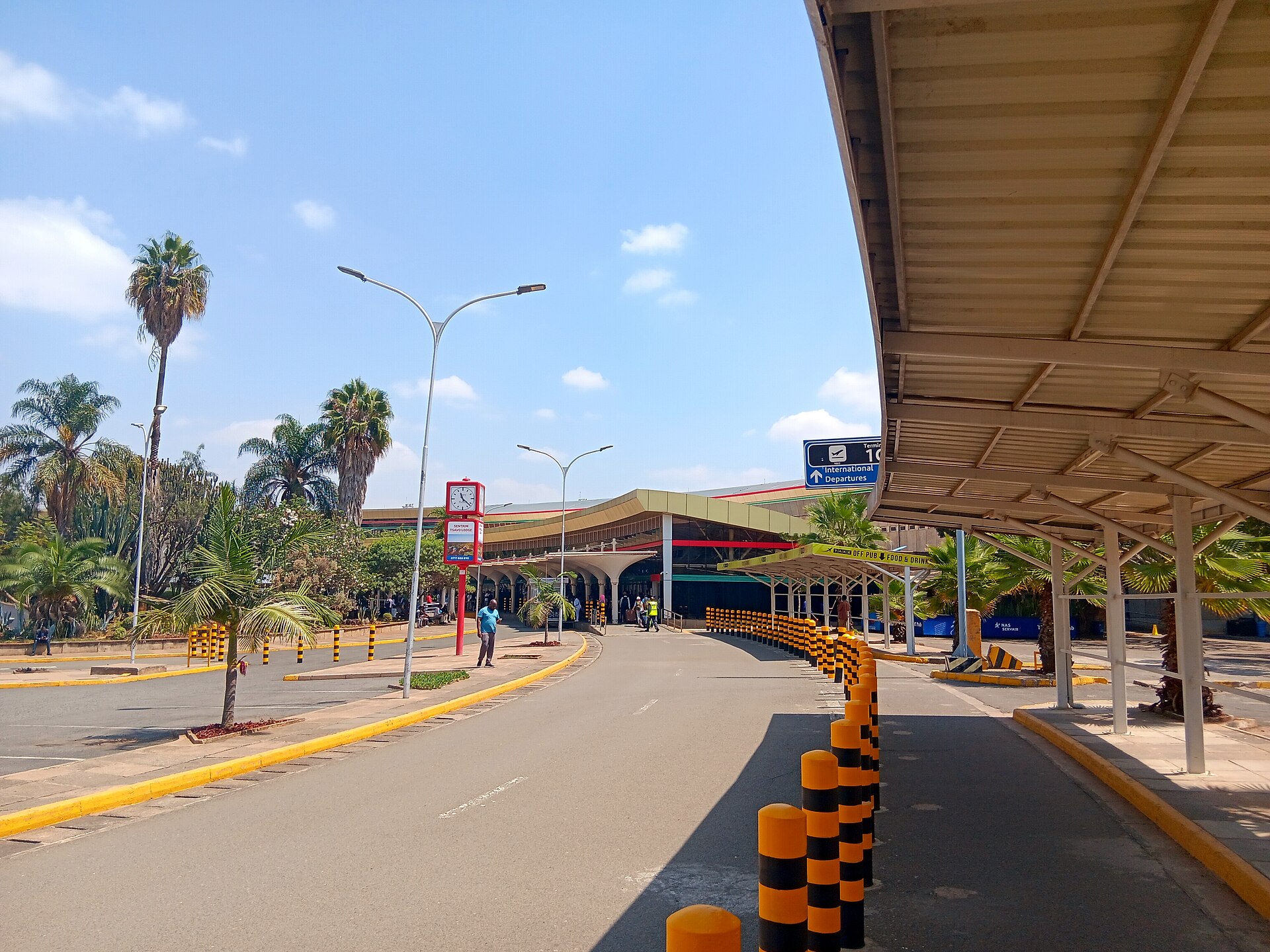
Kenya’s Health Director-General Patrick Amoth said the outbreak can only be declared over 42 days after the last confirmed patient twice tests negative, the BBC reported. Kenya has screened travellers from 10 countries it considers high risk, including Congo, Uganda and Ethiopia, and says nearly 5,000 health workers have been trained. The Kenya Medical Practitioners and Dentists Union has raised concerns about understaffing at border points and the main airport in Nairobi.
For Canadians, the Government of Canada’s travel advice for Kenya tells travellers to monitor their health while in the country and for 21 days after leaving, and to seek care right away if symptoms develop. Canada’s temporary border measures, which we reported on Oct. 24, restrict entry for foreign nationals from Congo, Uganda and South Sudan and run until Nov. 27, 2026. Kenya was not named in those measures.
The World Health Organization has advised against restricting travel to or trade with affected countries based on current information. Earlier this month Kenya’s cases prompted a U.S. advisory asking citizens to reconsider travel to the country. More background is in our reports on Kenya’s second Ebola death and on Nigeria’s contact monitoring.
If you find reporting like this useful, consider supporting Canada News Media, an independent Canadian newsroom with no corporate parent.
Follow Canada News Media
Get the day's top Canadian stories and our two daily 60-second news videos wherever you scroll.
X Threads Facebook Instagram LinkedIn TikTok YouTube Pinterest Reddit Substack Flipboard Newsletter RSS