


The Quebec Court of Appeal heard two days of arguments this week on when the province must consult Indigenous people over mining on their land, in a case brought by the Anishinabeg of Lac-Barrière that could force changes to Quebec’s Mining Act.
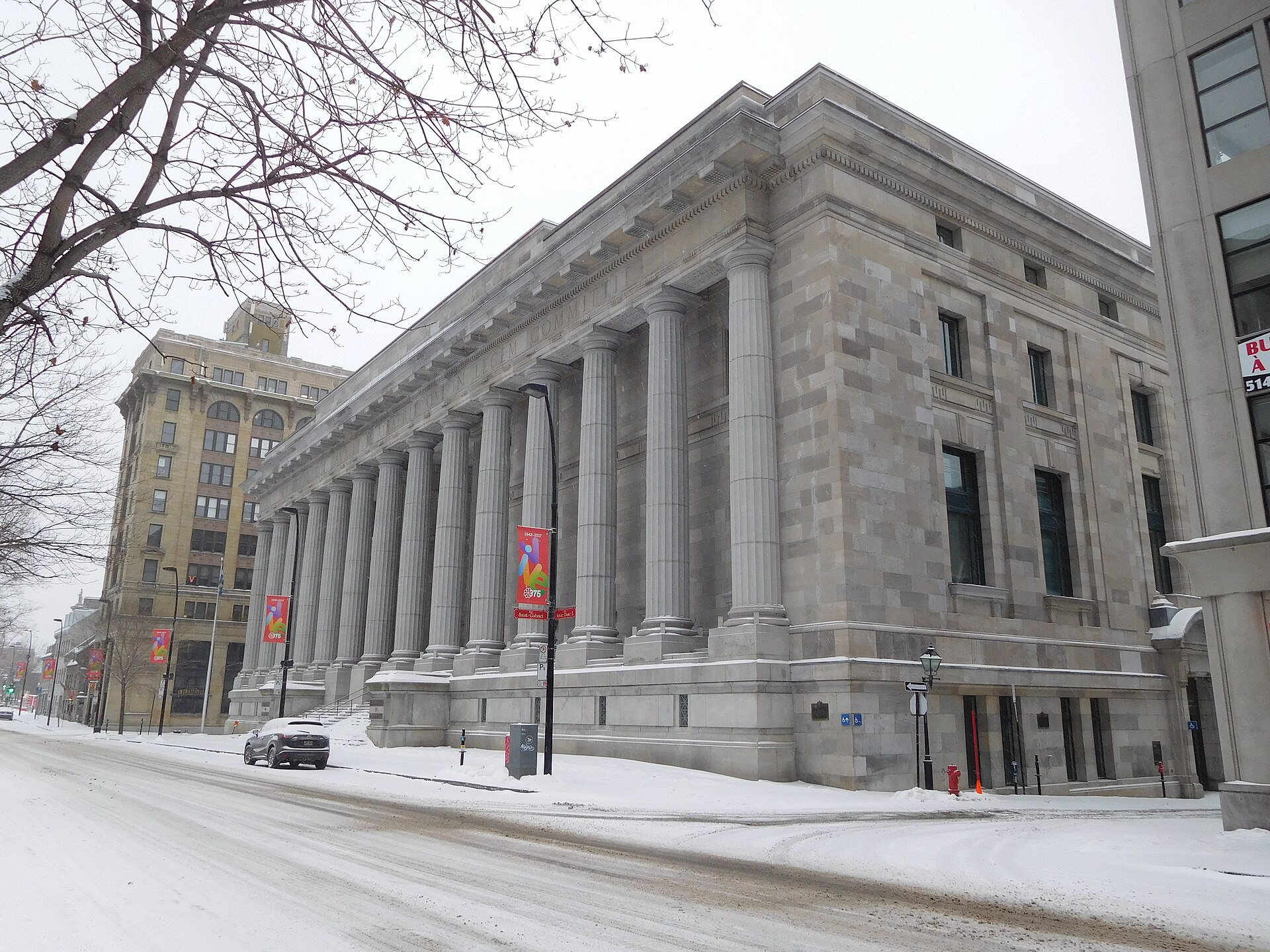
The hearing opened Tuesday and wrapped up Wednesday in Montreal, Radio-Canada reported. The central question is whether registering a mining claim, or carrying out first exploration work, automatically requires the Crown to consult the First Nation whose territory is affected. The reporting did not say when the court will rule.
The First Nation, also known as Mitchikanibikok Inik or Lac-Rapide, won at trial. The Superior Court ruled in October 2024 that Quebec had a constitutional duty to consult the community about existing and future claims on its territory in Abitibi, according to Noovo. The community’s aim was to have parts of the “free mining” system, which gives open access to mineral rights under the Mining Act, declared unconstitutional. Quebec appealed.
Lawyers for the Quebec government and the provincial exploration company SOQUEM argued that a claim by itself does not trigger consultation. Alexandre Ouellet, for the government, said a claim gives exclusive rights to the minerals underground without authorizing any work, and that the duty to consult exists to protect future Indigenous rights claims, so it looks forward, not backward (translated from French).
The government also argued that many claims go nowhere and that most expire without major work. Its lawyer said the claims affect a small share of a territory of about 10,000 square kilometres. “Not a single gram of metal is leaving the territory,” he told the court, adding that there is only “the hope” that metal exists (translated from French).
Lawyers for the other side rejected that picture. Caroline Briand, who represents the Algonquin Anishinabeg Tribal Council, said the image of a prospector walking the forest with a hammer and a backpack should be set aside (translated from French). Noémie Després Tassé, representing the Assembly of First Nations Quebec-Labrador, argued that a claim is not a legally neutral act because registering one gives a legal reservation of the mineral potential of the land. She said the Crown’s decision to register a claim could harm Indigenous rights or title, and that the answer to that question is “definitely yes” (translated from French).
The government’s lawyer also said Chief Casey Ratt, who attended the hearing, has never been able to say what harm exploration would cause. SOQUEM’s lawyer added that consulting at the time a claim is bought would be premature, because neither the developer nor the community has enough information about future work to make a consultation useful. Radio-Canada noted that in Quebec a claim can be bought online for a few dollars.
The outcome could reach well beyond Abitibi. Similar fights over consultation and mining are playing out elsewhere: Yukon has asked a court to toss a mining suit by the Tr’ondëk Hwëch’in, and a consultation record for the Pacific Link project has drawn an Indigenous challenge. The Quebec ruling is also an early test for the new PQ government, which met First Nations leaders last month.
If you find reporting like this useful, consider supporting Canada News Media, an independent Canadian newsroom with no corporate parent.
Follow Canada News Media
Get the day's top Canadian stories and our two daily 60-second news videos wherever you scroll.
X Threads Facebook Instagram LinkedIn TikTok YouTube Pinterest Reddit Substack Flipboard Newsletter RSS