


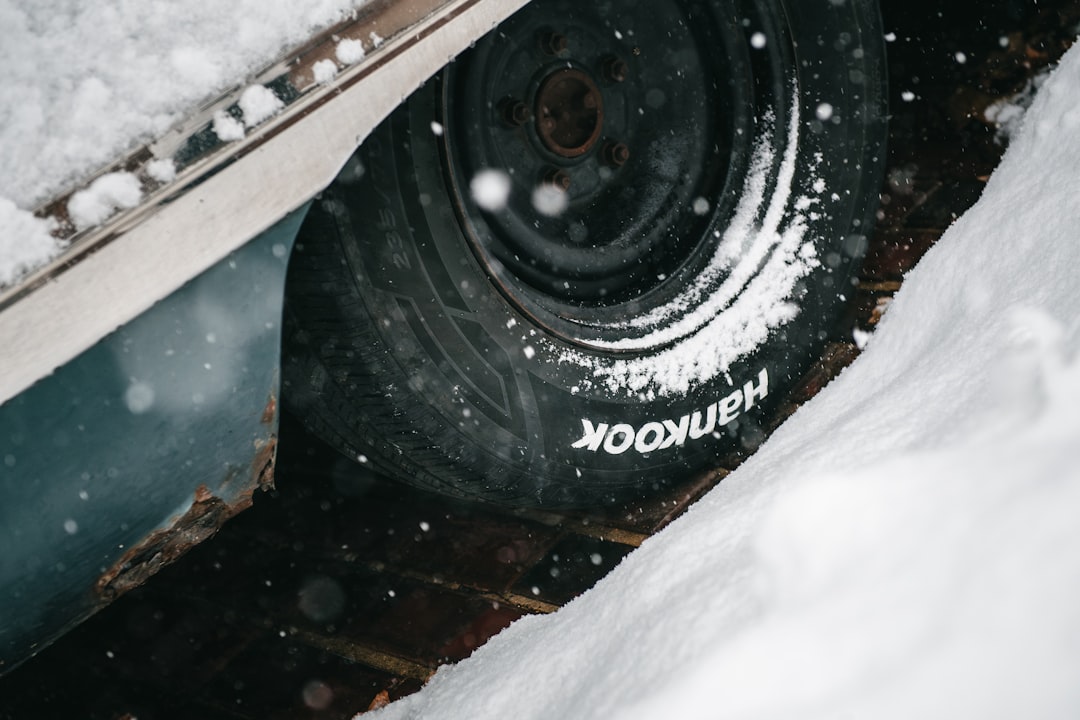
Switch to winter tires once the daily average temperature is consistently dropping below 7 C, not on a fixed calendar date, and plan to get it done before the first snowfall rush hits shops in early November. Below that threshold, the rubber compound in all-season and summer tires stiffens and loses grip, while a winter tire’s softer compound stays flexible and grips the road even in cold, dry conditions.
There is no single, Canada-wide date for the changeover, because the rule is built around temperature and local road conditions rather than the month on the calendar. Quebec is the exception: winter tires have been a legal requirement there since 2008, mandatory on passenger vehicles from Dec. 1 to March 15, according to Quebec’s Transport Ministry. Ontario has no legal mandate, but insurers there generally require winter tires to stay on until at least April 1 for drivers to qualify for the winter-tire insurance discount, industry site YouSet reports. Other provinces set their own seasonal guidance, so drivers outside Quebec and Ontario should check with their provincial transportation ministry and their insurer for the specifics that apply where they live. What’s consistent everywhere is the advice to book a changeover appointment, or set aside a Saturday to do it yourself, well before the first real snow, since tire shops fill up fast once temperatures drop and driveways get slippery, according to CAA-affiliated dealer guidance compiled by WEM Toyota and NAPA Canada. Getting ahead of that rush is really the whole point of doing this in September rather than waiting for a storm to make the decision for you. Here’s how to do the swap safely, whether you’re booking a shop or doing it in your own driveway.
- Watch the temperature, not the calendar. Track your local forecast for a stretch of consistently cool days. Once daily highs are regularly landing below 7 C, it’s time to move on the changeover, per NAPA Canada and CanadaDrives.
- Book early if you’re using a shop. Tire shops and mechanics get slammed the moment the first snow flies. Booking in September or early October, rather than waiting for a cold snap, means shorter waits and more appointment options, according to WEM Toyota.
- Gather the right tools if doing it yourself. You’ll need a vehicle jack, a set of jack stands, a lug wrench or breaker bar, and ideally a torque wrench. Wheel chocks for the tires staying on the ground add an extra layer of safety.
- Loosen the lug nuts before jacking up the car. With the vehicle still on the ground and the parking brake engaged, break the lug nuts loose about a quarter-turn each. It’s far harder, and less safe, to loosen them once a wheel is off the ground and spinning freely.
- Jack up the vehicle and support it on jack stands. Position the jack at the manufacturer’s recommended lift point, raise the car, then slide jack stands into place before doing any work underneath or removing a wheel. CanadaDrives and TireSet’s changeover guidance are both explicit on this point: never crawl under or work on a vehicle that’s supported only by a jack. A jack can slip or fail; stands are built to hold the load.
- Remove the all-season tires and mount the winter set. Finish removing the loosened lug nuts, pull off each wheel, and mount the winter tire in its place. Check that directional tread patterns and any “left/right” side markings on the tires line up correctly before you tighten anything.
- Hand-tighten, lower the vehicle, then torque the lug nuts to spec. Snug the lug nuts by hand in a star or crisscross pattern once the wheel is on, lower the car back to the ground, and finish tightening with a torque wrench set to your vehicle manufacturer’s specification. Under- or over-tightened lug nuts are a common and avoidable safety issue after a home tire swap.
- Inspect the tires coming off before you store them. While the all-seasons are off the car, check tread depth and look for cracking, uneven wear, or embedded debris. Store them somewhere cool and dry, stacked flat or hung on wheel racks, away from direct sunlight.
- Check your insurance for a winter-tire discount. Many Canadian insurers, particularly in Ontario, offer a policy discount for running four matching winter tires through the season. A quick call or an update through your insurer’s app after the changeover can pay for part of the job.
- Set a reminder for the spring swap. Plan to switch back once you’ve had roughly a week of daily temperatures consistently above 7 C. Winter tire compounds wear faster in warm weather, so running them too far into spring shortens their lifespan, per Euromechanic’s changeover guidance.
Done right, a tire changeover takes most drivers under an hour in a home driveway, or a same-day shop appointment if booked ahead of the rush. Either way, the safety fundamentals don’t change: loosen before you lift, never trust a jack alone to hold the car, and torque the lug nuts to spec before you drive off. Handled that way, this is one of the simplest and most effective things a Canadian driver can do before the snow starts to fly.
Sources: YouSet, NAPA Canada, CanadaDrives, TireSet.ca, WEM Toyota, Euromechanic.
Follow Canada News Media
Get the day's top Canadian stories and our two daily 60-second news videos wherever you scroll.