
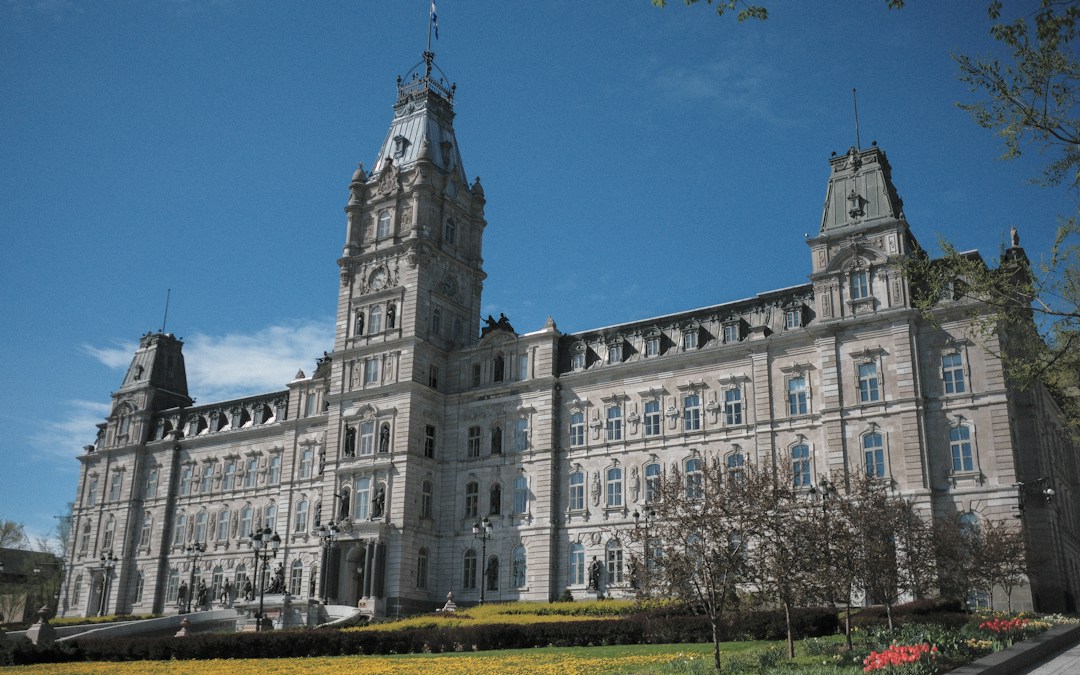
The Parti Québécois won Quebec’s provincial election on Monday, Oct. 5, ending eight years of Coalition Avenir Québec government and returning a sovereigntist party to power for the first time since 2014, according to Al Jazeera and The Canadian Press.
The Canadian Press decision desk projected the PQ will form the next government. Whether it won the 64 seats needed for a majority in the 127-seat National Assembly was not confirmed in early reports, and CTV News and CBC News projected a minority government. Official seat totals were not available at the time of writing, so the result is developing.
A minority government would need support from at least one opposition party to pass legislation and survive confidence votes. That makes the party’s biggest promise harder to deliver. Leader Paul St-Pierre Plamondon has pledged a third sovereignty referendum during his first term, but has said he would wait until U.S. President Donald Trump leaves office in January 2029, Al Jazeera reported.
Quebecers rejected sovereignty in referendums in 1980 and 1995. The PQ last governed from 2012 to 2014 and won only three seats in the 2022 election.
The night was punishing for the outgoing government. The Canadian Press reported that CAQ cabinet ministers Simon Jolin-Barrette, Bernard Drainville, Sonia Bélanger and France-Élaine Duranceau were defeated. CAQ Leader Christine Fréchette was trailing in her Trois-Rivières riding as results came in.
Other leaders fared better. Liberal Leader Charles Milliard won Orford in his first legislative election, and Conservative Leader Éric Duhaime won Bellechasse, making him the first Conservative elected in Quebec since 1935, according to The Canadian Press. Québec solidaire’s Ruba Ghazal won Mercier and Sol Zanetti won Jean-Lesage.
Turnout appeared to be lower than in recent elections. The Canadian Press reported turnout was slightly above 45 per cent at 5:11 p.m., compared with roughly 66 per cent in each of the last two provincial elections.
Support for independence remains low by historical standards. McGill University professor Daniel Béland told Al Jazeera that backing for sovereignty sits at about 30 per cent, and that the result reflects Quebec’s multiparty system more than a surge in separatist sentiment.
He said the outcome still poses a national-unity question for the rest of the country. “Seeing that a pro-independence party won in Quebec barely two weeks before an independence-related referendum takes place in Alberta might suggest to the Trump administration that national unity remains a major issue in Canada,” Béland said.
The campaign leading up to the vote was covered in earlier reporting by Canada News Media, including a look at the PQ’s referendum bet on Trump and a preview of election day.
This story is developing and will be updated when official results and final seat counts are confirmed.
If you find reporting like this useful, consider supporting Canada News Media, an independent Canadian newsroom with no corporate parent.
Via Al Jazeera, with additional reporting from The Canadian Press and CBC News.