


On Oct. 17, 1970, police found the body of Quebec cabinet minister Pierre Laporte in the trunk of a car left near the Saint-Hubert airport, south of Montreal, a week after members of the Front de libération du Québec (FLQ) kidnapped him.
Laporte, 49, was Quebec’s minister of immigration, manpower and labour and its deputy premier, according to The Canadian Encyclopedia. He had been appointed to those roles after the Liberals won the provincial election earlier in 1970. Earlier in his career, he served as minister of municipal affairs from 1962 to 1966 and minister of cultural affairs from 1964 to 1966.
The Encyclopedia reports that members of the FLQ’s Chénier cell abducted Laporte on Oct. 10, 1970, while he was playing football with a nephew on his front lawn. We covered that day in our look at the kidnapping. The Chénier cell was a South Shore group led by Paul Rose, with Jacques Rose, Bernard Lortie and Francis Simard among its members.
The kidnapping came days after another FLQ group, the Liberation cell, abducted British trade commissioner James Cross. Cross was held for 59 days before police negotiated his release on Dec. 3, 1970, according to the Encyclopedia’s account of the October Crisis.
The Encyclopedia says Laporte’s body was found at 10:50 p.m. on Oct. 17 and that an autopsy showed he had been strangled. The Canadian Encyclopedia’s biography of Laporte says he was murdered and that the car belonged to Paul Rose, who was later found guilty of the killing.
The discovery came one day after Ottawa invoked the War Measures Act on Oct. 16, 1970, to confront what the federal government called a state of apprehended insurrection in Quebec. It remains the only time the law was used in peacetime. Our earlier piece on the War Measures Act describes that decision, and a third article covers the troops sent to Ottawa.
The scale of the police response was large. According to the Encyclopedia, police had carried out 1,628 raids under the Act by Oct. 20, and more than 250 people were arrested within 48 hours of its invocation. In the end, 497 people were arrested under the War Measures Act and the Public Order Act that replaced it on Dec. 1, 1970. Of those, 435 were released and 62 were charged, and 32 of the charged were held without bail.
Police arrested Paul Rose, Jacques Rose and Francis Simard at a farm southeast of Montreal on Dec. 28, 1970, the Encyclopedia reports. The courts later handed down different outcomes. Paul Rose was sentenced to life imprisonment for kidnapping and murder, and Simard received a life sentence for murder. Lortie was sentenced to 20 years for kidnapping. Jacques Rose was acquitted of kidnapping and murder but sentenced to eight years as an accessory after the fact.
The Public Order Act stayed in effect until April 30, 1971. The War Measures Act itself was repealed in 1988 and replaced by the Emergencies Act, according to the Encyclopedia.
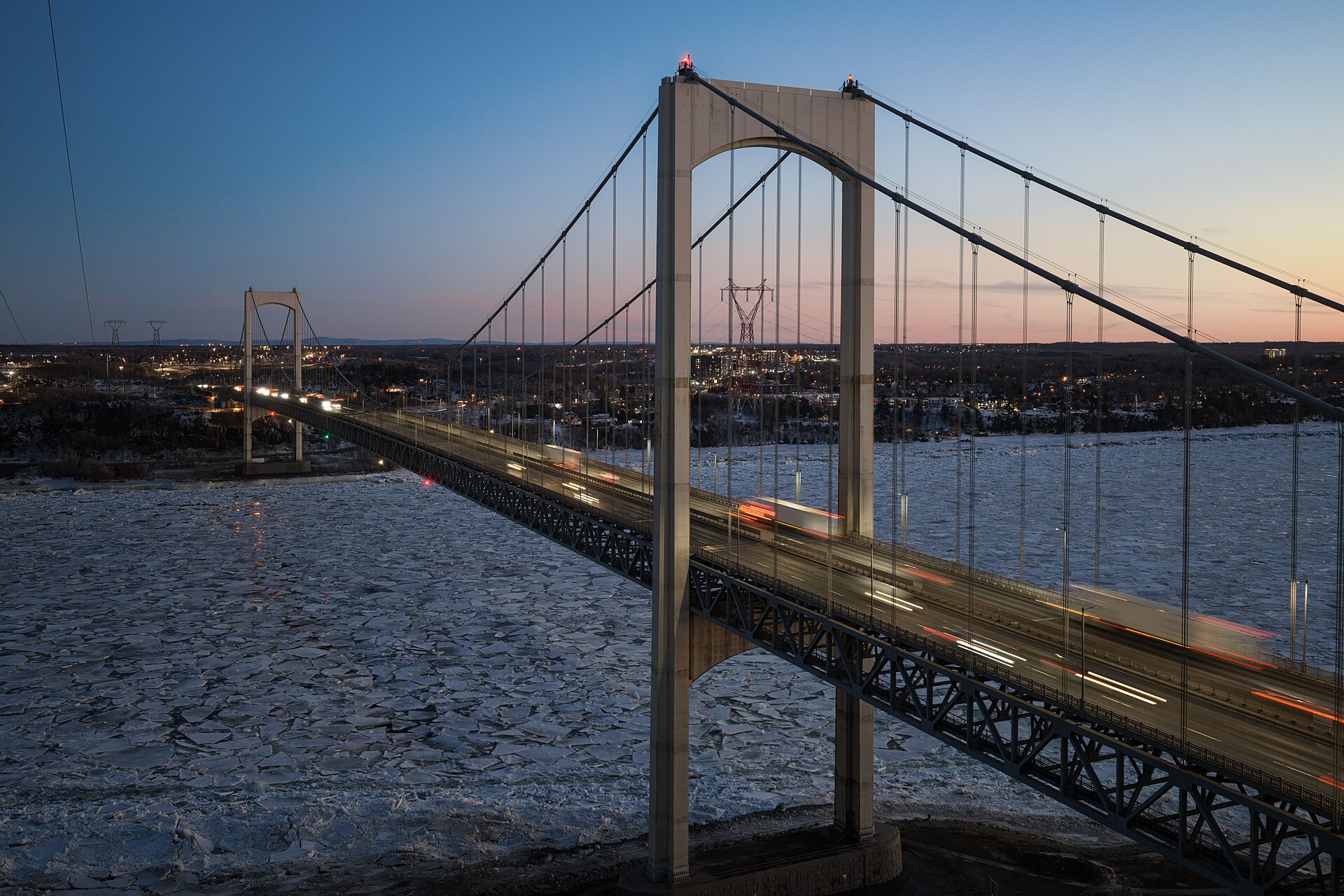
Laporte’s name remains on public places in Quebec, including the suspension bridge between Quebec City and Lévis that opened in 1970, the year of his death.
If you find reporting like this useful, consider supporting Canada News Media, an independent Canadian newsroom with no corporate parent.
Sources: The Canadian Encyclopedia, “Pierre Laporte” and “October Crisis.”
Follow Canada News Media
Get the day's top Canadian stories and our two daily 60-second news videos wherever you scroll.
X Threads Facebook Instagram LinkedIn TikTok YouTube Pinterest Reddit Substack Flipboard Newsletter RSS