


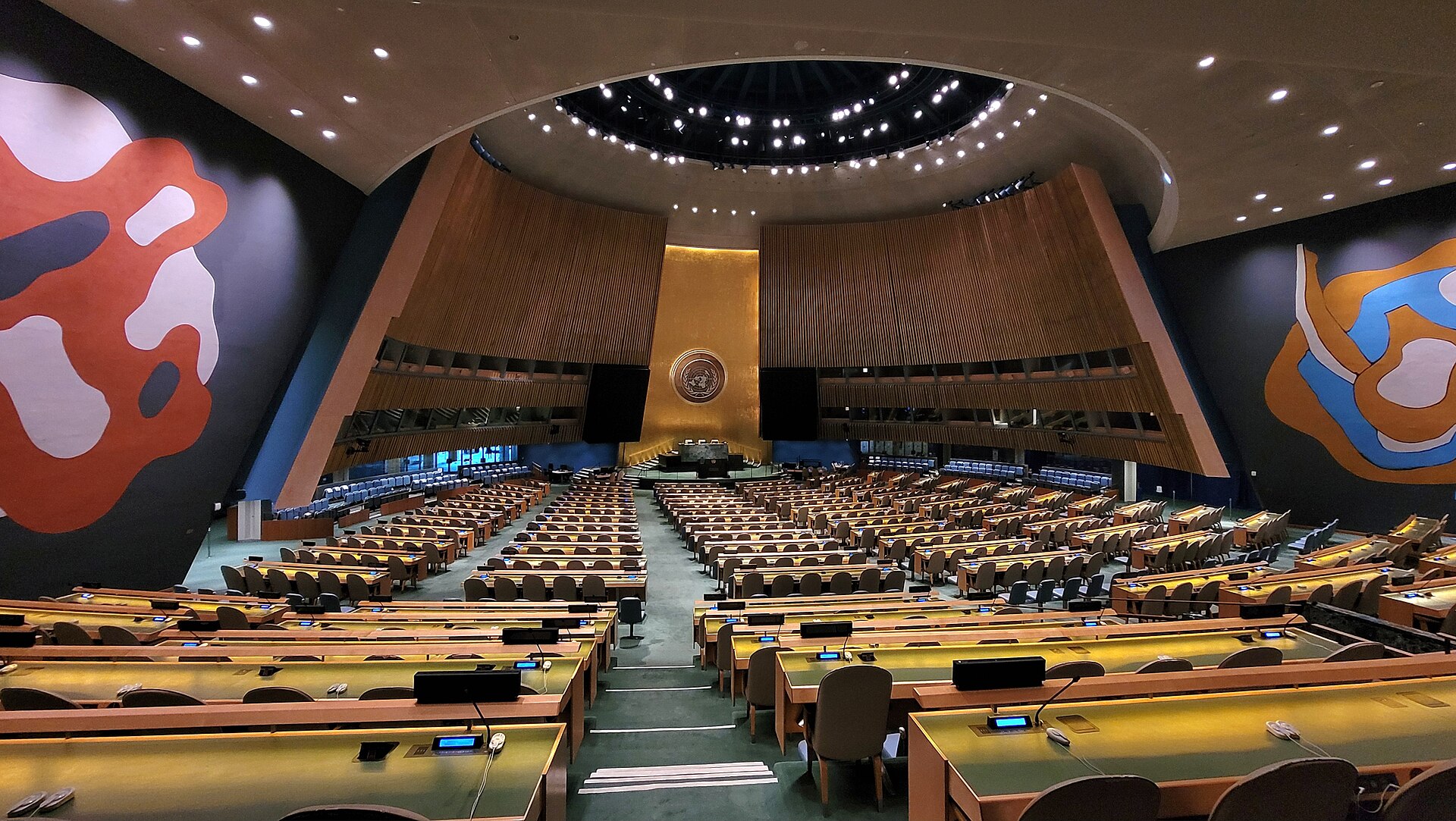
The United Nations General Assembly is set to vote Wednesday on a resolution calling for an end to the U.S. economic embargo on Cuba, a day after the American and Cuban envoys traded accusations on the assembly floor.
It is the 34th time the 193-member body has voted on the question. Last year’s resolution passed with 165 countries in favour, seven against and 12 abstentions, The Associated Press reported. The text is not legally binding, and Canada has long voted in favour, UN News reported.
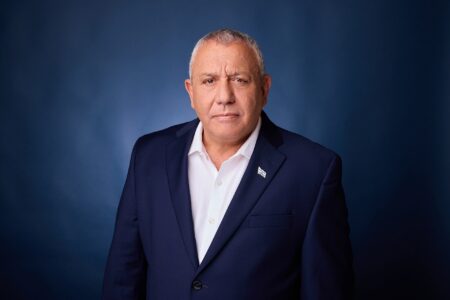
U.S. Ambassador Mike Waltz told the assembly on Tuesday that “there is no blockade,” UN News reported. He cited U.S. exports to Cuba of more than $876 million in the first eight months of 2026.
AP reported that Waltz told a Cuban official during the debate: “This individual needs to back away from this podium. He’s not going to intimidate me in the United States of America.” Cuban Foreign Minister Bruno Rodríguez called Waltz a liar and said Washington was making “another desperate attempt to justify its economic aggression against Cuba,” AP reported.
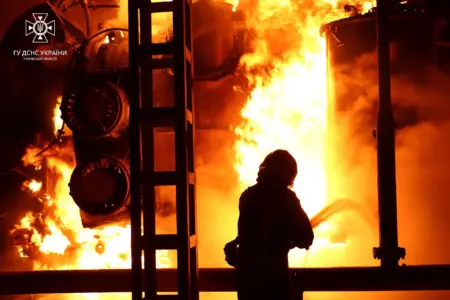
The vote follows a year of sharply increased U.S. pressure on the island. AP reported that U.S. President Donald Trump announced tariffs in late January on any country that sells or provides oil to Cuba, which AP said has effectively cut off fuel and caused widespread power outages. Last week Trump raised the possibility of U.S. military intervention in Cuba, AP reported.
Francisco Pichon, the UN resident coordinator in Cuba, has warned of an energy crisis and possible humanitarian collapse, UN News reported. In May, senior UN officials said more than 100,000 surgical procedures had been postponed.
Cuba says the embargo cost it $8 billion between March 2025 and February 2026, a 7 per cent increase over the previous year, according to a UN meetings summary of an earlier Assembly debate. That figure is Cuba’s own estimate. Waltz rejected the idea of a blockade in Tuesday’s debate.
For Canadians, the dispute has a direct travel dimension. Cuba has long been a leading winter destination for Canadian vacationers, but Air Canada, Air Transat and WestJet suspended flights to the island in February, CP24 reported. Sunwing Vacations and WestJet Vacations later cancelled their Cuba operations from June 20 to Oct. 9, citing fuel shortages.
The Government of Canada’s travel advisory, last updated Oct. 5, tells Canadians to avoid non-essential travel to Cuba because of worsening shortages of fuel, electricity, food, water and medicine. It says power cuts are long and unpredictable, nationwide outages can last more than 24 hours, and “all Canadian airlines have suspended service to Cuba until further notice.” We reported earlier on Cuba’s claim that Washington was pressuring states before the vote, and on a separate chikungunya travel notice covering Cuba.
The first vote, in 1992, drew 59 countries in favour, three against and 71 abstentions, UN News said. Support peaked at 191 votes in 2015, 2016 and 2017, during the thaw in U.S.-Cuba relations under former president Barack Obama. The United States has voted against in every year but one.
The result had not been announced when this story was published. Canada News Media will update this report with the final tally and Canada’s vote.
If you find reporting like this useful, consider supporting Canada News Media, an independent Canadian newsroom with no corporate parent.
Via The Associated Press and UN News.
Follow Canada News Media
Get the day's top Canadian stories and our two daily 60-second news videos wherever you scroll.
X Threads Facebook Instagram LinkedIn TikTok YouTube Pinterest Reddit Substack Flipboard Newsletter RSS