

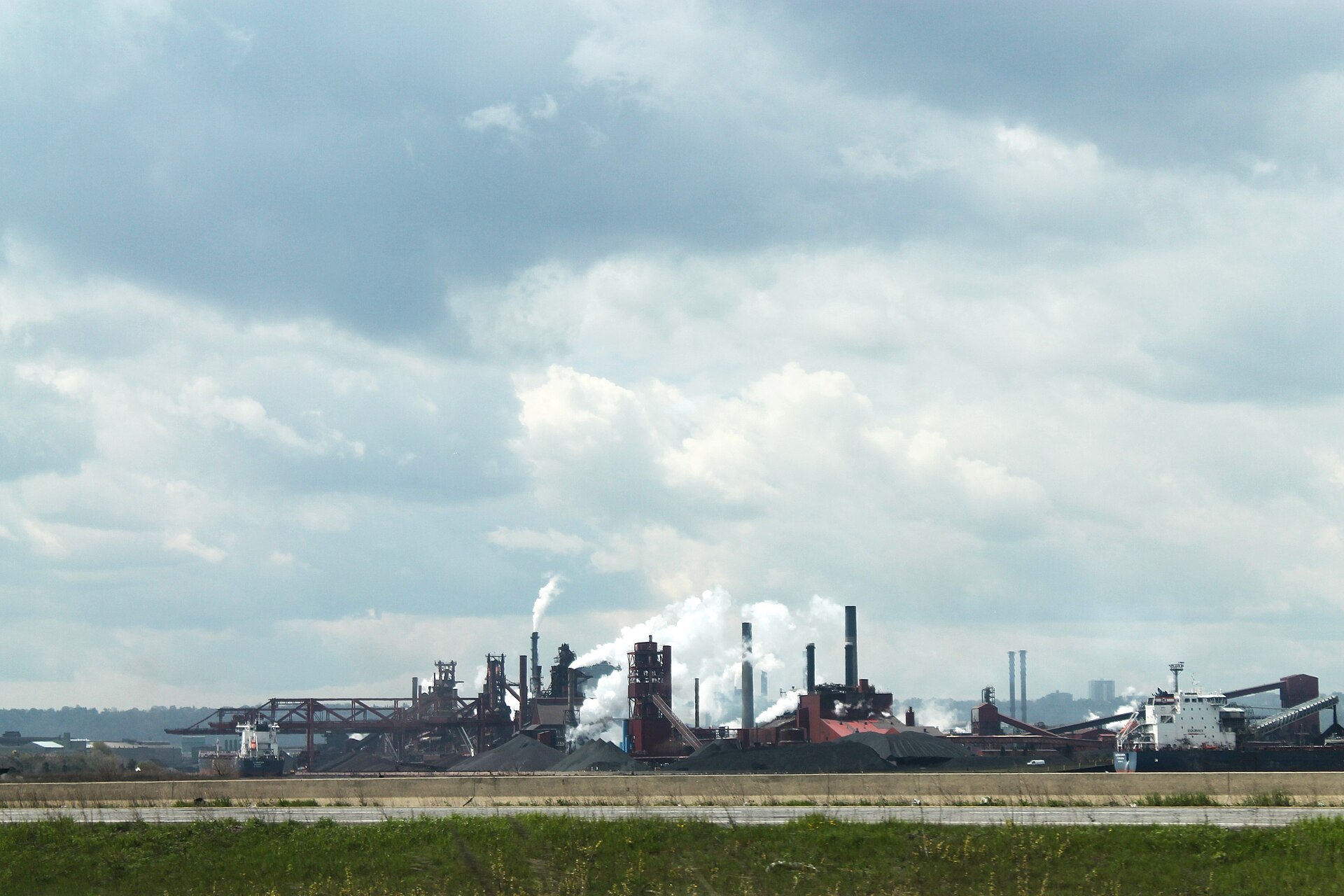
Canadian iron, steel and aluminum exports are not exempt from the European Union’s new carbon border charge, and about $2.8 billion worth of Canadian goods a year are exposed to it, according to internal federal documents obtained by CBC News.
The memo from Global Affairs Canada, signed Dec. 10, 2025, was released through an access to information request and reported by CBC News on Oct. 28. It describes the EU’s Carbon Border Adjustment Mechanism as a border charge, “effectively a ‘carbon tariff,'” that European importers will pay starting in 2027. The exemption does not apply even though Canada has a national price on carbon and a decade-old trade deal with the EU.
The note says Canada’s overall exposure “appears modest” but that the impact varies widely by province. It puts the annual average value of Newfoundland and Labrador iron and steel exports exposed to the tariff at $885 million, almost half of that province’s such exports. In Quebec, exposed aluminum, iron and steel exports average about $792 million a year. The figures are averages for 2021 to 2024, so exposure could be higher as exporters look for buyers other than the United States.
The documents say Canadian diplomats and ministers are focused on minimizing the effect on exporters in talks with the European Commission. Prime Minister Mark Carney said Tuesday that this week’s Canada-EU summit in Montreal marks the start of negotiations for a closer strategic partnership. Environment Minister Julie Dabrusin, who is attending, did not say in an Oct. 22 interview with CBC whether negotiators were making progress. She said her goal is an industrial carbon pricing system “that’s effective and that works for making sure that our industry is competitive.”
Exporters of steel, aluminum, iron and cement already face compliance costs, including measuring the emissions embedded in their products and having the figures reviewed by an accredited verifier. “That’s a costly prospect,” said Aaron Cosbey, an economist at the International Institute for Sustainable Development who studies carbon border adjustments. He estimated that by the time the tariff is fully phased in by 2034, Canadian steel could cost an additional $150 per tonne, which he said is more than 10 per cent of the current open-market price.
Ross-Linden Fraser, an acting director at the Canadian Climate Institute, called the change “a big deal conceptually” in how trade is treated. The memo also flags what it calls proliferation of such mechanisms, with the United Kingdom, Australia, Japan and Turkey developing or assessing their own.
The United States has also weighed in on the EU measure, as USTR sought public comments on the EU carbon border tax. Steel is already a pressure point for Ottawa, which has unveiled an $8.7-billion plan for steel, autos and mining and given the Stelco owner 15 days to comply or face court. The summit also drew attention for a dispute after four EU states blocked an associate-member label for Canada.
The report is based on one outlet’s access to information records, and the federal government has not publicly confirmed the figures. This story is developing.
If you find reporting like this useful, consider supporting Canada News Media, an independent Canadian newsroom with no corporate parent.
Follow Canada News Media
Get the day's top Canadian stories and our two daily 60-second news videos wherever you scroll.
X Threads Facebook Instagram LinkedIn TikTok YouTube Pinterest Reddit Substack Flipboard Newsletter RSS