


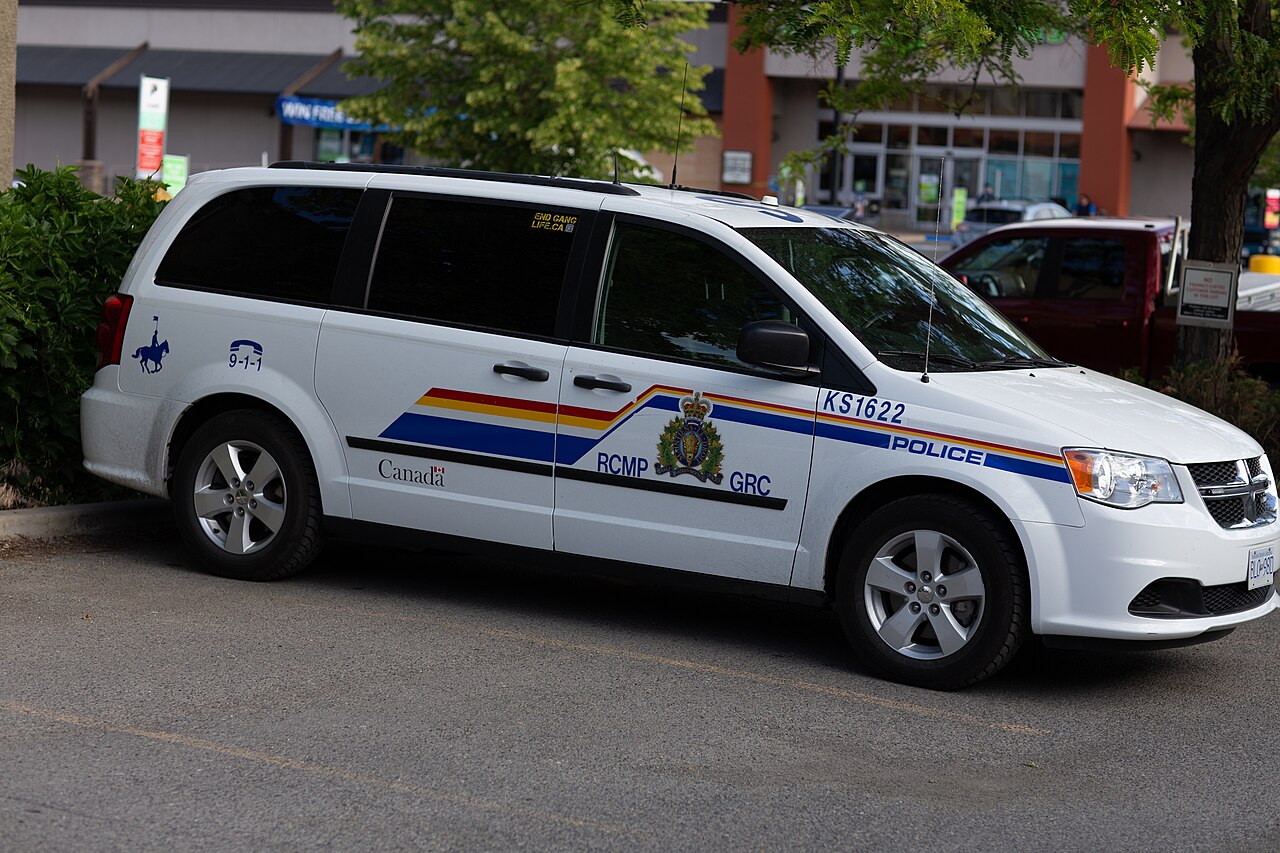
RCMP officers have been found to have unreasonably denied or delayed medical help to people in their custody at least 35 times since 2019, according to a Canada News Media analysis of the public findings of the force’s civilian watchdog. A dozen of those cases involved a possible head injury, and in six the RCMP Commissioner refused to accept the watchdog’s conclusion.
The cases come from the Civilian Review and Complaints Commission for the RCMP (CRCC), which reviews complaints when people are unhappy with how the RCMP handled them. Since 2021 the commission has published a summary of every review. Canada News Media downloaded all 1,405 summaries and read every final report dealing with medical care.
The pattern is consistent. A woman who appeared to hit her head was lodged in a cell without medical help. A man struck on the head during his arrest and held face down on gravel was not taken for an assessment. A detainee who still seemed drunk 12 hours after his arrest had in fact suffered a stroke. A prisoner with a leg injury was left to crawl around a detachment floor because officers believed he was faking. In another case, a man officers thought was “faking it” was found unresponsive, and staff at a correctional centre had to call an ambulance.
In one 2021 review about a woman’s fractured leg, the commission wrote that the case was similar to many earlier ones in which officers ignored or failed to notice prisoners’ injuries, illness or distress, “sometimes with tragic results.”
RCMP policy, as quoted in the commission’s findings, requires officers to seek immediate medical attention when a person shows signs of a head injury, and says such a person should not be put in a cell until a medical practitioner declares them fit.
In an emailed statement on Oct. 30, RCMP national media relations said the force “recognizes its duty of care for all persons in its custody and takes any finding related to prisoner health and safety seriously.” It said the Commissioner accepted, in whole or in part, “the vast majority” of the CRCC’s findings and recommendations on prisoner medical care, and that the RCMP has made policy, procedural and training improvements over time in response.
The Commissioner accepted the watchdog’s medical-care finding, at least in part, in 29 of the 35 cases and in several ordered apologies. But in six cases the Commissioner rejected it. Four of those involved possible head injuries.
In one, the Commissioner argued the officer had no reason to seek help because she never saw the woman hit her head and recorded no injury. The commission called that reasoning “circular,” noting the Commissioner had also agreed the officer’s notes were deficient. In another, the Commissioner relied on the absence of notes about a head injury to conclude there was none, after accepting that the same officers’ documentation was inadequate.
The RCMP said the cases “were assessed on their individual facts,” and that decisions not to fully agree with the CRCC reflected the evidence in those files and, in some instances, “considerations related to jurisdictional responsibilities for health-care delivery.” Those decisions, it said, “should not be interpreted as diminishing the RCMP’s expectation that members take appropriate action to obtain medical assistance when required.”
The commission has also tried to fix the problem beyond individual officers, with limited success. In 2021 it recommended that each RCMP division work with provincial and territorial health systems so officers could get medical advice around the clock, through telehealth or a hospital line, rather than judging for themselves whether a prisoner needed care. The Commissioner declined, saying medical services are not within the RCMP’s jurisdiction. The commission did not accept that answer, noting it had already allowed for provincial responsibility over health care.
In its statement, the RCMP said it works with provinces, territories and health authorities, but that delivery of health care falls primarily under provincial and territorial jurisdiction, so the availability of on-site health professionals, telehealth or other local resources varies. It said it has added tools to its Operational Manual to help members recognize signs of medical distress and is updating national guard training on prisoner care and medication management.
In 2022, the Commissioner refused to add policy guidance on prisoners who say they need medication they do not have with them, even though, the commission said, the Commissioner had agreed to identical recommendations in an earlier case.
The RCMP’s own published list of commitments for 2024-25 shows how most findings on individual files end: “operational guidance about seeking medical attention for injured prisoners” for the officers involved, marked completed.
The CRCC did not respond to questions sent Oct. 26 by the Oct. 28 deadline. Neither did Public Safety Canada.
The question of who checks a prisoner’s health is not abstract. Randy Dale Lampreau, a 49-year-old Secwe̓pemc man, died alone in a cell at the Kamloops RCMP detachment on March 13, 2019, after being held for public intoxication. Local Journalism Initiative reporting from the 2024 inquest said he had fallen backwards onto the cell floor shortly before 1 a.m. and was not found for about three hours after his last movement. The coroner’s jury classified the death as accidental, caused by a heart inflammation combined with methamphetamine use. B.C.’s Independent Investigations Office had concluded in 2019 that the death was a health issue, not neglect by RCMP staff.
The jury asked RCMP E Division and the City of Kamloops to review prisoner-wellness policy, including assessments after falls and injuries inside cells, and to staff the Kamloops cell block with health professionals, including registered nurses, to decide whether prisoners are medically fit to be jailed. That is close to what the CRCC had asked the RCMP to arrange nationally three years earlier.
Asked what it had done on the recommendations, RCMP E Division did not say whether it had acted on either one. Staff Sgt. Kris Clark, a senior media relations officer, said in an emailed statement that the RCMP “conducts a thorough review” of coroner and jury recommendations to decide what steps to take, and that it may issue a written response to the coroner afterward. Such responses are posted on the BC Coroners Service website. Clark said “the RCMP does not employ health care professionals in cell blocks,” but uses established protocols to assess prisoners, including calling Emergency Health Services when needed.
The 35 cases are a small slice of RCMP custody. The commission only sees complaints that people take to it, and its summaries leave out names, places and incident dates. Many of the people involved were intoxicated, combative or in crisis, and some refused care, which makes officers’ decisions harder. Health care is a provincial responsibility, and rural detachments often have no nearby hospital, nurse or sobering centre. The RCMP updated its prisoner-care policy in 2018, telling officers to consider a medical assessment after eight hours of detention rather than 12.
Still, the commission’s findings show the same failure recurring for years.
Parliament passed a law in October 2024 to replace the CRCC with a new Public Complaints and Review Commission. It would require the RCMP Commissioner to respond to the watchdog’s reports within six months and to report every year on the action taken. As of the federal laws website’s Sept. 30, 2026 update, its provisions were not yet in force.
How we did this. Canada News Media downloaded the full data file behind the CRCC’s public table of review summaries on Oct. 23, 2026 (1,405 summaries, complete from 2021). We read every final report tagged “medical care in custody” and searched all other final reports for findings about medical attention. We counted a case only when the commission itself found RCMP members unreasonably failed to seek or speed up medical help for someone in their custody, detention or mental-health apprehension. We excluded cases where the commission rejected the allegation, cases only about medication, and one case outside custody. We then recorded whether the RCMP Commissioner accepted the medical finding. Our coded list and the data file are kept for verification. The summaries do not name the people involved, and neither do we.
Sources: CRCC summaries of reviewed public complaints; RCMP Commissioner’s commitments, 2024-25; BC Coroners Service verdict, Randy Dale Lampreau; IndigiNews inquest report; Public Complaints and Review Commission Act.
With reporting by a Canada News Media contributor.
If you find reporting like this useful, consider supporting Canada News Media, an independent Canadian newsroom with no corporate parent.
Follow Canada News Media
Get the day's top Canadian stories and our two daily 60-second news videos wherever you scroll.
X Threads Facebook Instagram LinkedIn TikTok YouTube Pinterest Reddit Substack Flipboard Newsletter RSS