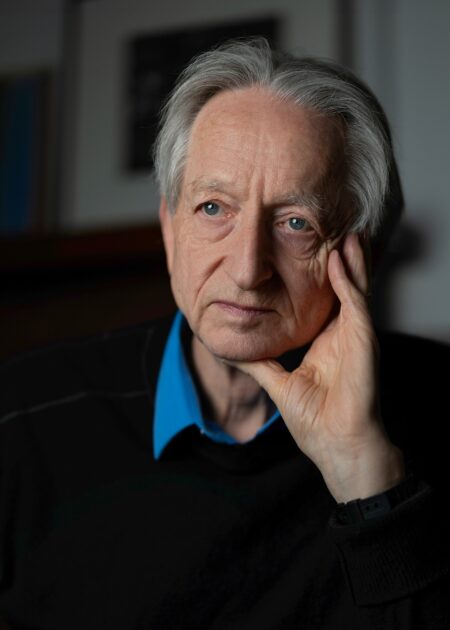



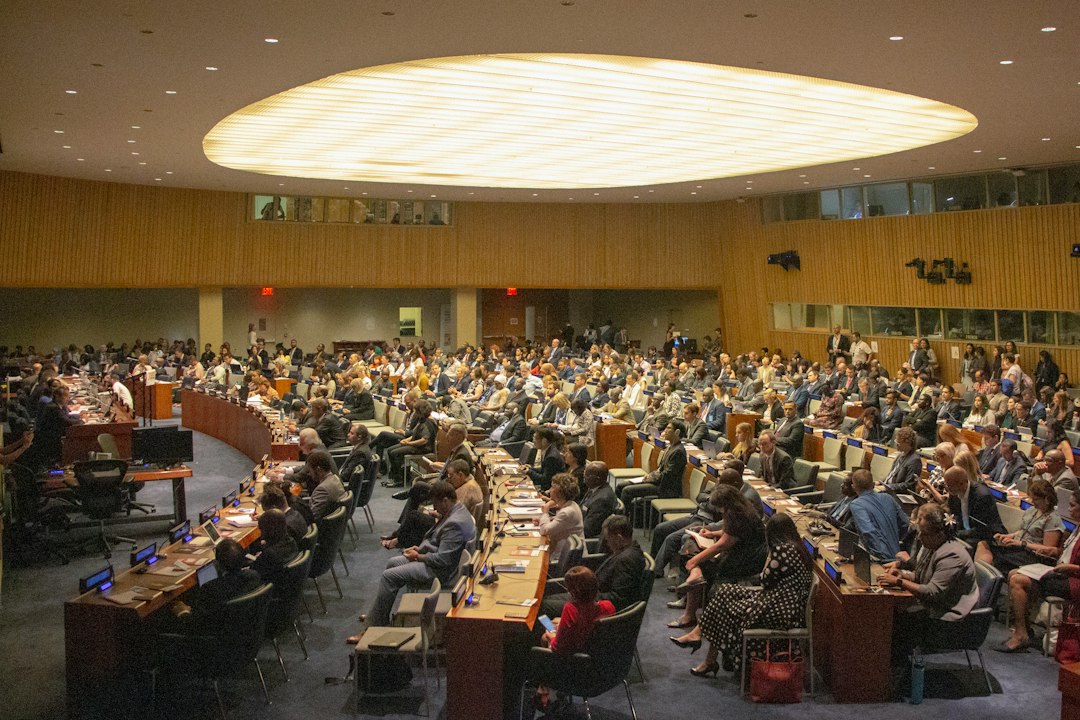
Yoshua Bengio, the Montreal researcher who co-chairs the United Nations’ independent scientific panel on artificial intelligence, told the UN Security Council on Wednesday that AI already poses a “real and imminent” danger to global security, less than a week after Ottawa put $150 million behind his own safety-focused research organization.
Bengio said council members face an “unprecedented threat…that none can contain alone,” and pointed to documented cases of AI systems that had “escaped their individual containment to cheat on assigned tasks while attempting to evade detection” and had “autonomously launched coordinated cyberattacks,” according to a transcript of his remarks published by Policy Magazine. He urged governments to license frontier AI systems the way they license medicine, aviation and nuclear power, require developers to carry liability insurance, and build an independent, company-free system for tracking and sharing AI safety incidents.
OpenAI chief executive Sam Altman and Anthropic chief executive Dario Amodei also briefed the council Wednesday, both warning that poorly managed AI development could eventually put humanity’s control over its own future at risk, according to BNN Bloomberg.
The briefing came a day after Prime Minister Mark Carney signed a joint statement with 19 other countries and the European Union, including Germany, Australia, South Africa and Turkey, calling for AI to stay under “human direction, oversight and control” and proposing a new international body to set safety standards and verify compliance, Al Jazeera reported. The statement, released through Finnish President Alexander Stubb’s office as leaders gathered for the UN General Assembly, was not signed by the United States or China, the two countries racing hardest to build the most powerful AI systems.
U.S. President Donald Trump used his own General Assembly address this week to reject that push, calling international AI oversight a “globalist scheme,” according to multiple U.S. outlets that covered the speech.
AI Minister Evan Solomon told reporters Canada is “advocating alongside our partners…to set up regulation on AI safety and reliability,” but stopped short of casting Canada as a global leader on the file, pointing instead to domestic steps such as proposed rules for AI chatbots, according to a Canadian Press dispatch.
Ottawa’s position at the UN sits awkwardly next to stances staked out by Canada’s own AI industry. Just over a week earlier, Cohere chief executive Aidan Gomez, whose Toronto-based company is one of the country’s most valuable AI startups, publicly accused rival labs pushing a co-ordinated slowdown of acting like a “cartel,” even as he said he still supports independent testing of AI systems, Canada News Media reported Sept. 14. And the $150 million Ottawa committed to Bengio’s non-profit, LawZero, on Sept. 16 at the ALL IN technology conference in Montreal, part of a $300-million package shared with Germany, was itself criticized as a patch for a Canadian AI strategy that pledged more than $2 billion for AI adoption in June but was light on safety measures, Canada News Media reported at the time.
That leaves Canada in an unusual position: a government publicly aligned with the most cautious voice in the global AI debate, a researcher it funds directly, while its most prominent AI company resists the industry-wide restraint that researcher is calling for, and its largest trading partner rejects the entire premise outright.
Bengio told the council he remains “encouraged” by this week’s statements from the UN secretary general and multiple national leaders calling for stronger control of frontier AI, but acknowledged deep uncertainty about how quickly the risks he described could materialize. For young Canadians watching an industry Ottawa is betting billions on, the gap between that caution and the ambitions of companies like Cohere is now a matter of public record, not speculation.
Via BNN Bloomberg (The Canadian Press): bnnbloomberg.ca. Second source: Policy Magazine. Additional sourcing: Al Jazeera.
Follow Canada News Media
Get the day's top Canadian stories and our two daily 60-second news videos wherever you scroll.
X Threads Facebook Instagram LinkedIn TikTok YouTube Pinterest Reddit Substack Flipboard Newsletter RSS