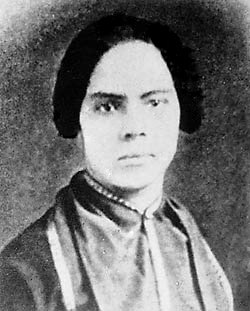




On Nov. 8, 1946, a woman was arrested in New Glasgow, N.S., and accused of cheating the province out of one cent. The woman was Viola Desmond. The charge never mentioned race, and that omission is the key to how her case unfolded, and to why it took 64 years for a government to say plainly what had happened.
According to the Canadian Encyclopedia, Desmond was sold a balcony ticket at the Roseland Theatre, a section used for non-white patrons, but sat on the main floor. She was arrested. The formal charge, the encyclopedia reports, was attempting to defraud the provincial government by refusing to pay a one-cent amusement tax, the difference in tax between the two ticket types.
A trial built around a penny
The Nova Scotia Archives holds the court file, which includes an information and complaint dated Nov. 8, 1946, and a receipt for the fine dated Nov. 9. The file refers to a belief that there had been an attempt to defraud the province of the sum of one cent. The Canadian Encyclopedia reports that Stipendiary Magistrate Roderick MacKay presided, that no Crown attorney was present, and that Desmond had no lawyer and was not told she could have one. She was fined $26, which included $6 awarded to theatre manager Henry MacNeil, according to the encyclopedia.
By framing the matter as tax evasion, the prosecution avoided the question of whether a theatre could lawfully assign seats by race.
An appeal that stayed narrow
Desmond challenged the conviction with help from lawyer Frederick Bissett, who did not bill her, the Canadian Encyclopedia reports. Wikipedia’s entry on Bissett says he pursued a writ of certiorari, a judicial review, rather than a conventional appeal, and calls that choice disastrous. That characterization rests on a single source and we have not confirmed it independently.
The Nova Scotia Archives file index shows that Justice Archibald issued a decision on the writ on Jan. 20, 1947, that the Crown then appealed, and that Justices Graham, Doull, Carroll and Hall each wrote opinions between March and May 1947. Sources we reviewed differ on how the Archibald decision is described, and the archive’s index lists documents without summarizing their rulings, so this article does not state the outcome of each stage. What the archive does record is a passage attributed to Justice Hall: “Had the matter reached the Court by some method other than certiorari, there might have been opportunity to right the wrong done this unfortunate woman.” The archive’s index also records Hall questioning whether the manager’s complaint was an attempt to enforce a “Jim Crow rule.” Readers who want the rulings should consult the full decisions held by the Nova Scotia Archives.
The picture that emerges from the record is of judges who could see the injustice but worked within a procedural channel that did not let them address it.
Sixty-four years to a pardon
Desmond died in New York City on Feb. 7, 1965, according to the Canadian Encyclopedia. The Nova Scotia government announced on April 15, 2010, that Lieutenant-Governor Mayann Francis had granted her a free pardon under the royal prerogative of mercy, on the advice of the Executive Council. The province described it as the first posthumous free pardon in Canada.
Premier Darrell Dexter said in the government’s statement: “This is a historic day for the province of Nova Scotia and a chance for us to finally right the wrong done to Mrs. Desmond and her family.” Francis said the pardon “closes an erroneous chapter in the history of this province and allows a new one to begin.”
The statement also carried an apology: “On behalf of the Nova Scotia government, I sincerely apologize to Mrs. Viola Desmond’s family and to all African Nova Scotians for the racial discrimination she was subjected to by the justice system in November 1946.” The pardon, the province said, recognized her actions as “an act of courage, not an offence.”
A pardon is not the same as a finding that a conviction was wrong in law, a distinction worth keeping in view. The 2010 apology, however, named the cause plainly: racial discrimination by the justice system.
From a penny to a banknote
The Canadian Encyclopedia reports that a $10 bill featuring Desmond was released on Nov. 19, 2018, making her the first Canadian woman to appear alone on a regular banknote. It also credits newspaper founder Carrie Best with covering the case extensively, and Desmond’s sister, Wanda Robson, with helping bring the story to wider attention decades later.
The record raises questions this article cannot answer from the sources reviewed, including exactly how the lower and appeal courts ruled and why the charge was framed as it was. Those are questions for the court file, and we will report further if the archive’s full texts allow it.
If you find reporting like this useful, consider supporting Canada News Media, an independent Canadian newsroom with no corporate parent.
Sources: Canadian Encyclopedia (Viola Desmond); Nova Scotia Archives, Viola Desmond court file index (archives.novascotia.ca/desmond/court/); Government of Nova Scotia news release, April 15, 2010; Wikipedia, Frederick William Bissett (single-source claim flagged above). Photo: file photo of a movie theatre auditorium, not the Roseland Theatre.