

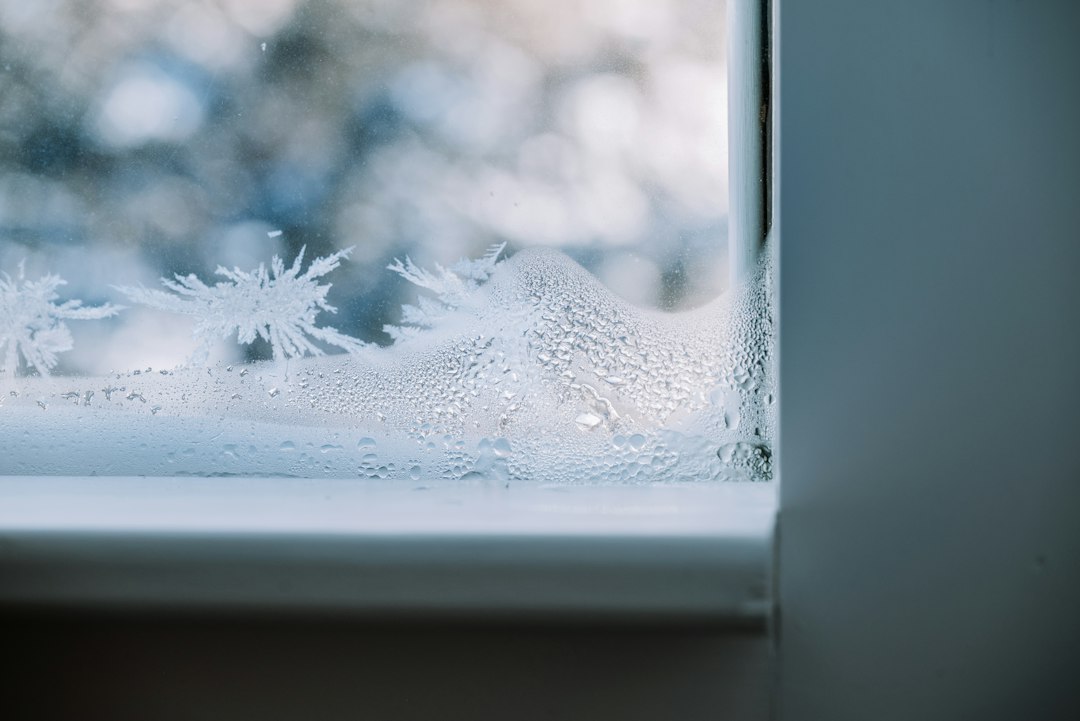
To reduce window condensation in a Canadian winter, lower the moisture in your indoor air, keep air moving across the glass and fix the sources of extra humidity. Most homes can get there with an inexpensive humidity gauge, a few changes to daily habits and, in some cases, a ventilation upgrade.
Foggy or dripping windows are common from late October on, when outdoor temperatures drop and the glass becomes the coldest surface in the room. Moisture from warm indoor air condenses on that cold surface, and over time it can stain sills, peel paint and feed mould.
The National Research Council of Canada explained the basic physics in a 1960 Canadian Building Digest by researcher N.B. Hutcheon. Room air touching a cold window cools until it can no longer hold its moisture, and the water appears on the glass. The digest said single-glazed windows, which are colder on the inside, begin to fog at lower humidity than double-glazed ones. Its core advice has held up: keep indoor humidity low enough for the weather, and improve the glass or the airflow if you cannot.
ATCO Energy, in a Jan. 12, 2026, guide for Alberta homes, said aiming for about 30 to 35 per cent relative humidity in winter helps prevent condensation on windows and walls, within a broader safe range of 30 to 50 per cent for most homes. The 1960 digest showed that the humidity a window can tolerate falls as the outdoor temperature drops, so expect to adjust through the season.
The steps below are low-risk jobs for most homeowners. If you see widespread mould, water stains inside walls or condensation between the panes of a sealed window unit, call a qualified contractor or window specialist rather than tackling it yourself.
Step 1: Measure your humidity
Buy a small digital hygrometer. ATCO Energy described it as affordable and easy to use, and suggested placing one in the main living area and one near the bedrooms, then checking morning and evening for about a week to spot patterns. Many smart thermostats also display indoor humidity.
Note the readings on the coldest mornings. If the glass is wet while the reading sits above the 30 to 35 per cent target, the humidity is probably too high for that temperature.
Step 2: Use your exhaust fans
Showers, cooking and laundry add moisture to the air. ATCO Energy said to run bathroom fans during showers and kitchen fans while cooking, and to make sure the clothes dryer vents outside.
Step 3: Dial back any humidifier
If you run a portable or furnace-mounted humidifier, lower the setting until the glass stays clear. The 1960 NRC digest said that where high humidity is not needed, allowing levels to fall is often the best answer, and that there is little point in pushing humidity above the level where visible condensation begins.
Change the setting in small steps and give the house a day or two to respond before adjusting again.
Step 4: Keep air moving across the glass
All Things Home, a Canadian home-improvement column, recommended several simple airflow fixes. Open curtains and blinds during the day, because closed coverings restrict air circulation around the glass. Set a forced-air furnace fan to “circulate” so air keeps moving even when the heat is not running, and consider running ceiling fans continuously.
The same column said interior window screens can block warm air from floor or wall vents that are placed under windows to heat the glass. It advised removing them for the winter, and said exterior screens left up can trap snow and ice that may damage the frame, sill or screen.
Step 5: Deal with moisture sources
ATCO Energy said to fix plumbing leaks quickly, keep gutters and downspouts clear and make sure water drains away from the foundation. In basements, a portable or whole-home dehumidifier can help.
Step 6: Wipe the glass and watch for mould
Wipe condensation off glass, frames and sills with a dry cloth before it pools. Condensation can lead to mould, All Things Home noted. Check Health Canada’s mould guidance for safe cleaning advice, and bring in a professional for large or recurring mould or any musty smell you cannot trace.
Step 7: Consider ventilation or window upgrades
If condensation keeps coming back, the house may be too airtight for its moisture load or the windows may be too cold. ATCO Energy said a ventilation or energy assessment can help, and that heat recovery or energy recovery ventilators may be an option. All Things Home noted that newer, tighter homes hold moisture better and often have such a ventilator to manage humidity.
The NRC digest added that double or triple glazing gives warmer inside surfaces, and that better insulation and vapour control reduce cold spots around window edges.
A few weeks of readings should show whether the changes are working. If the glass stays clear on the coldest mornings and the gauge sits in the target range, you have the balance about right.
If you find reporting like this useful, consider supporting Canada News Media, an independent Canadian newsroom with no corporate parent.
Sources: National Research Council of Canada, Canadian Building Digest CBD-1, “Humidity in Canadian Buildings” (1960); ATCO Energy, “What is the best humidity for your home in Alberta” (Jan. 12, 2026); All Things Home, “Homeowner Helpers: Reduce window condensation with these easy tips” (Jan. 3, 2023).
Follow Canada News Media
Get the day's top Canadian stories and our two daily 60-second news videos wherever you scroll.