


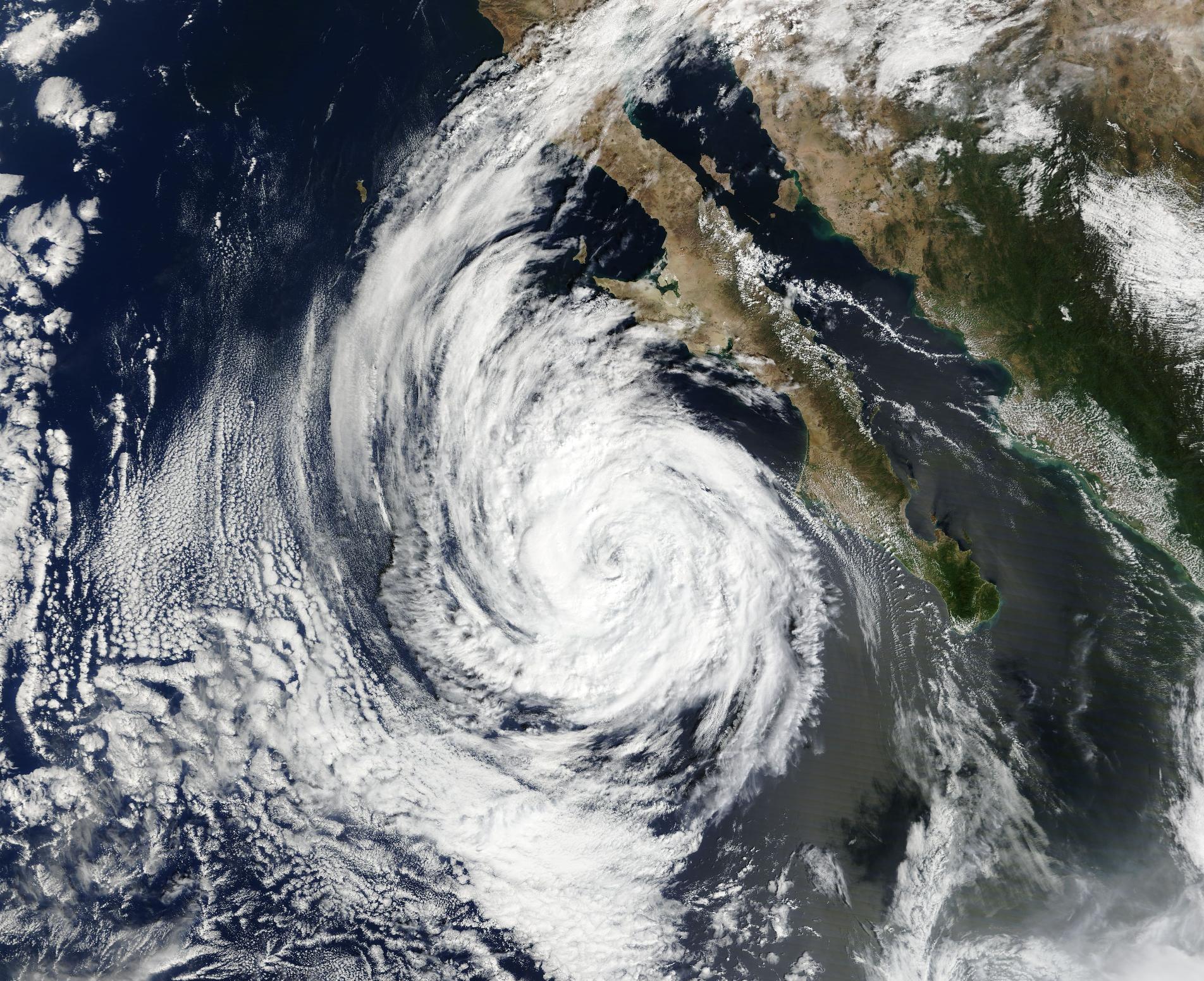
Hurricane Vance, a Category 2 storm with maximum sustained winds near 175 km/h, was churning in the eastern Pacific about 590 kilometres south-southwest of Acapulco, Mexico, early Saturday, with no coastal watches or warnings in effect.
The storm intensified rapidly this week and is the latest in an unusually active Pacific season. The Associated Press reported that Vance would be the seventh major hurricane in a row this year, after Nolo, Odalys, Polo, Rachel, Simon and Trudy, if it is confirmed at that strength.
As of 3 a.m. local time on Saturday, Oct. 24, 2026, the centre was near 12.4 N, 102.8 W and moving north-northwest at about 11 km/h, with a central pressure of 965 millibars, according to a Rio Times report that relays National Hurricane Center (NHC) advisories. The same report said the storm briefly reached major hurricane strength on Friday evening before levelling off, while moderate wind shear limited further strengthening.
The AP, in its Oct. 23 story, described Vance as nearing major hurricane strength, about 620 km from Acapulco, with winds of 177 km/h. The two accounts differ slightly on whether the storm crossed the Category 3 line. The NHC’s own advisories were not available to us directly, and the strength could be revised.
The NHC said gradual weakening was expected to begin Saturday, the AP reported. Outer bands were already pushing gale-force winds and rough seas into the Gulf of Tehuantepec, in southern Mexico.
The five-day forecast keeps the storm offshore, though confidence falls after about a day and a half. The Rio Times, citing the NHC outlook, said Vance is forecast near 16.6 N, 104.3 W on Tuesday, Oct. 27, roughly 270 km south of Manzanillo, and near 18.5 N, 104.5 W on Thursday, Oct. 29, with winds near 110 km/h. A separate report in El Financiero suggested the storm could approach the Puerto Vallarta area by Monday, the Rio Times said, but that is not supported by the NHC track.
Swells are expected to reach southern and southwestern Mexico through the weekend and into next week, with a risk of life-threatening surf and rip currents. Mexico’s national water commission, Conagua, forecast 25 to 50 millimetres of rain in Michoacán and along the Guerrero coast, and waves of two to three metres off Guerrero. Civil protection officials urged people to stay off beaches and away from high surf and flooded streets. No damage, injuries or evacuations had been reported in the sources we reviewed.
The AP linked the busy season to El Niño conditions, which it said global warming has made worse.
For Canadians, Mexico’s Pacific coast, including resort areas such as Acapulco and Puerto Vallarta, is a popular winter-sun destination. The Government of Canada’s Mexico travel advice page, last updated Oct. 19, tells travellers to exercise a high degree of caution in the country and notes that the Pacific hurricane season runs from mid-May to the end of November. As of Saturday morning, the page did not carry a notice specific to Vance. Canadians in the area should follow Mexican civil protection and NHC updates and register with Global Affairs Canada.
Vance follows Trudy, which weakened to a tropical storm and veered away from Mexico last week after Canada warned against travel to parts of the coast.
The next full NHC advisory was due at 9 a.m. local time (11 a.m. ET) on Saturday. This story is developing and will be updated.
Via The Associated Press and the Rio Times.
If you find reporting like this useful, consider supporting Canada News Media, an independent Canadian newsroom with no corporate parent.
Follow Canada News Media
Get the day's top Canadian stories and our two daily 60-second news videos wherever you scroll.
X Threads Facebook Instagram LinkedIn TikTok YouTube Pinterest Reddit Substack Flipboard Newsletter RSS