


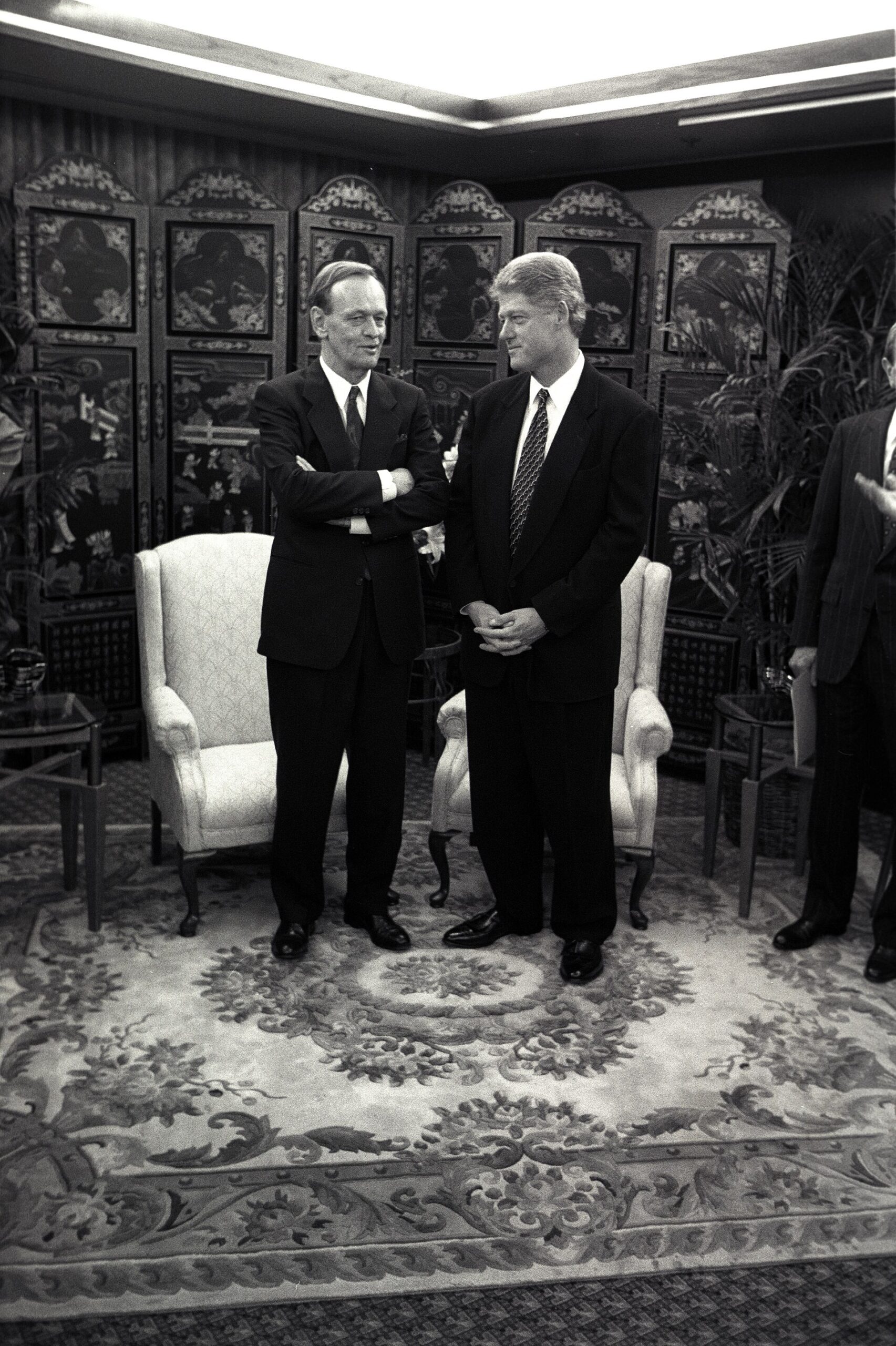
On Oct. 25, 1993, Canadians elected a Liberal majority government under Jean Chrétien and reduced the governing Progressive Conservatives to two seats in the House of Commons, in one of the most lopsided turnarounds in the country’s electoral history.
The Liberals won 177 of 295 seats with 41.24 per cent of the popular vote, according to results compiled from the Government of Canada’s Canadian Elections Database and summarized by Wikipedia. A majority required 148 seats.
The result also reshaped Parliament in ways that lasted for years. The Bloc Québécois, a sovereigntist party that had only formed in 1991, won 54 seats and became the Official Opposition even though it finished fourth in the national popular vote at 13.52 per cent. Reform, led by Preston Manning, won 52 seats on 18.69 per cent of the vote. The New Democratic Party fell to nine seats with 6.88 per cent. One independent was elected.
The Progressive Conservatives, led by Prime Minister Kim Campbell, collapsed. The party won two seats despite taking 16.04 per cent of the vote, a share larger than the NDP’s and close to Reform’s. According to Wikipedia’s summary of the results, it was the only time a governing party has failed to win enough seats to hold official party status in the House.
The gap between votes and seats illustrates how the first-past-the-post system treats parties differently depending on where their support is concentrated. The Bloc, whose votes were packed into Quebec ridings, and Reform, strong in the West, converted support into seats far more efficiently than the Progressive Conservatives, whose votes were spread thinly across the country. A commentary published by ConservativeHome in 2024 described the Tories as facing a toxic combination of a very poor vote share and two powerful, regionally concentrated challengers in Reform and the Bloc.
Campbell lost her own Vancouver Centre seat, according to Wikipedia. She was the first sitting prime minister to lose a seat while seeking re-election since William Lyon Mackenzie King in 1945. She had taken over from Brian Mulroney only that June, after he stepped down as Progressive Conservative leader. Mulroney’s own arrival in office is covered in our look back at his swearing-in as prime minister in 1984.
Chrétien won the Quebec riding of Saint-Maurice. NDP Leader Audrey McLaughlin was re-elected in Yukon, according to the same results summary, though her party lost official status as well after falling far short of the 12 seats needed.
Voter turnout was 69.6 per cent, down 5.7 percentage points from the previous federal election, Wikipedia reported. Turnout in the most recent vote, in 2025, is discussed in our report that Elections Canada said more than 19.5 million voters cast a ballot.
A CBC retrospective on the 1993 campaign likewise recorded that the Liberals won a majority, that the Progressive Conservatives were left with two seats and that the Bloc formed the Opposition. The CBC piece noted that polls before the vote had suggested the Bloc would win dozens of seats.
The 1993 vote is often remembered as the moment the party system built around the Liberals and Progressive Conservatives broke apart. The Progressive Conservatives never recovered as a separate force. They merged with the Canadian Alliance, Reform’s successor, to form the Conservative Party of Canada in 2003. Reform’s rise and the Bloc’s presence in Ottawa defined federal politics through the rest of the decade.
Sources: the Government of Canada’s Canadian Elections Database, as summarized by Wikipedia’s article on the 1993 Canadian federal election; CBC; ConservativeHome.
If you find reporting like this useful, consider supporting Canada News Media, an independent Canadian newsroom with no corporate parent.
Follow Canada News Media
Get the day's top Canadian stories and our two daily 60-second news videos wherever you scroll.
X Threads Facebook Instagram LinkedIn TikTok YouTube Pinterest Reddit Substack Flipboard Newsletter RSS