

The Public Health Agency of Canada says the large measles outbreak that spread across the country since October 2024 is over, but the agency is also clear that the disease has not gone away.
In a news release dated Oct. 19, 2026, the agency said it worked with provincial and territorial public health officials to declare the multi-jurisdictional outbreak finished. The reason is simple: more than two months have passed since the last case linked to the outbreak was reported.
What the agency reported
The release says the outbreak involved more than 6,400 cases across 10 provinces and territories. It does not break those cases down by province. It also notes that most of the people who got sick had not been vaccinated against measles.
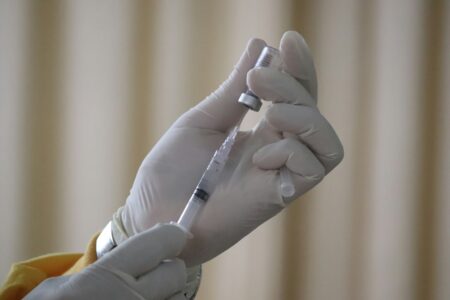
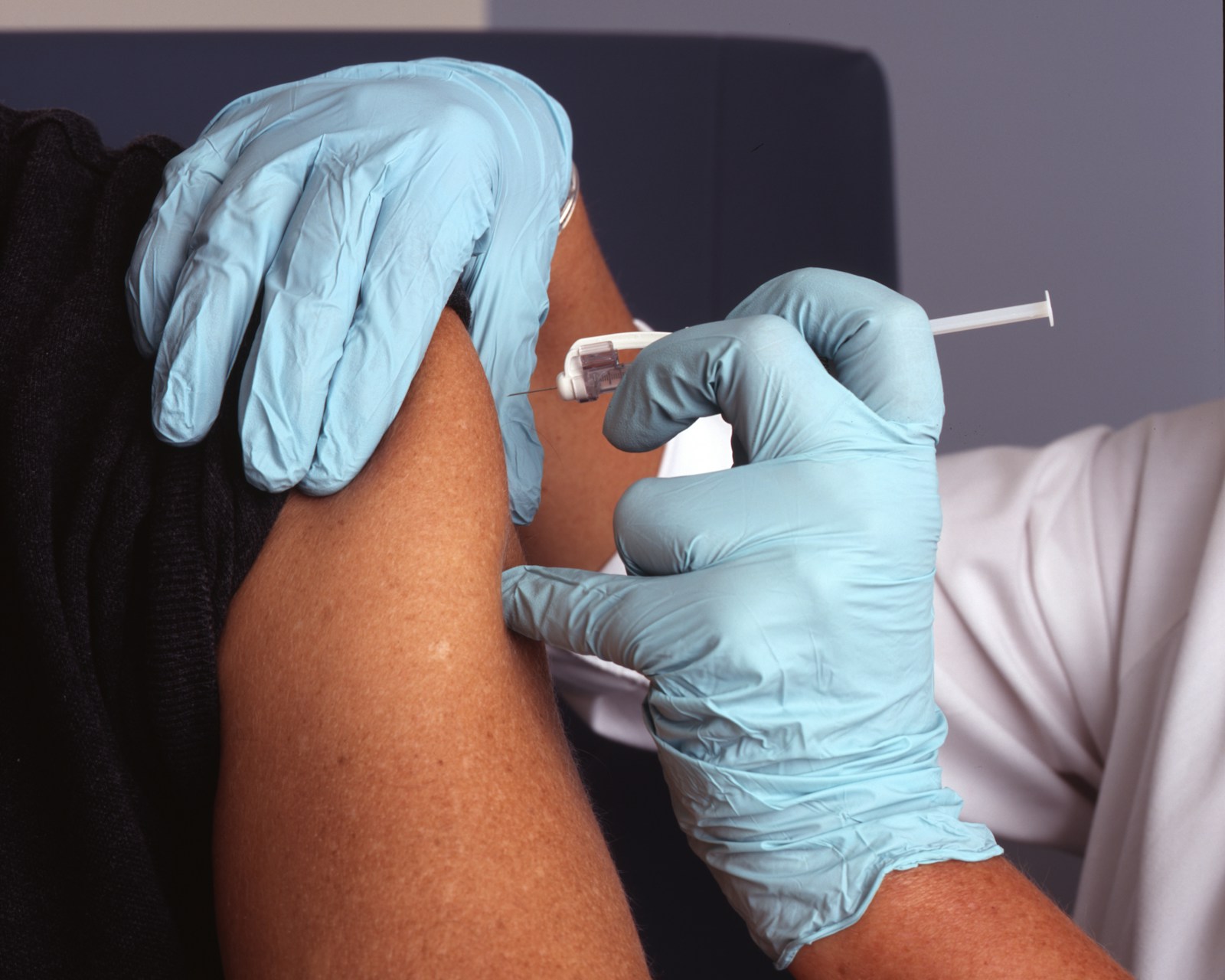
That detail matters for families, because the shot is the main protection available. According to the agency, two doses of a measles-containing vaccine provide strong protection. Officials are asking Canadians to check with a health care provider or their local public health unit to make sure their measles vaccinations are up to date, and to keep other routine vaccinations current too. The federal health minister said work to raise vaccination rates continues.
Elimination status is a separate question
Ending an outbreak is not the same as getting back a measles-free label. The agency says Canada lost its measles elimination status in late 2025, after the outbreak strain spread for more than 12 months. Declaring the outbreak over does not automatically restore that status.
To earn it back, according to the release, transmission of the outbreak strain has to be interrupted for at least 12 consecutive months. In plain terms, the clock is now running, and the next year will show whether the country can keep the virus from re-establishing itself.
The agency also warns that measles keeps circulating around the world. Travel-related cases are expected to keep turning up in Canada, which is why vaccination before a trip abroad is a common piece of public health advice. The agency points travellers to the federal travel health notices for destination-specific information.
What measles looks like
The agency’s measles page says symptoms can appear 7 to 21 days after infection. Early signs include fever, cough, a runny nose and red, watery eyes. A rash shows up about 3 to 7 days after symptoms begin, usually starting on the face and moving down the body, and it can last 4 to 7 days. Most people recover within two to three weeks.
Complications are more common than many people expect. The agency lists ear infections, pneumonia and diarrhea as common, and rarer severe outcomes that include brain inflammation and death. Infection during pregnancy can lead to miscarriage, premature labour and low birth weight.
A person with measles can spread the virus from four days before the rash appears to four days after it starts. They can also spread it for up to 10 days after the first symptoms, even without a rash.
If you think you or your child has measles
The agency’s advice is to isolate at home, away from other people, and to contact a health care provider right away. Call ahead before going to a clinic or hospital so staff can prepare, since the virus spreads easily in waiting rooms. If you must go out for care, wear a well-fitting respirator such as an N95, or a well-fitting medical mask if you don’t have one.
Your local public health unit will handle contact tracing and tell you how long to stay home. Isolation lasts until four days after the rash first appeared. There is no specific antiviral treatment. Care usually means fever-reducing medication, fluids and rest, and most people recover at home, though severe cases can need hospital care.
Checking your family’s shots
Each province and territory runs its own routine schedule, and the ages for the two doses differ. Our province-by-province measles vaccine schedule shows what the federal schedule lists for each jurisdiction. If you are not sure whether a child, or you, had both doses, a yellow immunization card or a provincial online portal is the usual place to look. A public health nurse, family doctor or pharmacist can explain how to book a missing dose where it is publicly funded.
The end of the outbreak is good news after a long stretch of illness in communities across the country. The agency’s message, though, is that the protection people built up through vaccination is what keeps it from returning.
This article is based on official guidance from the Public Health Agency of Canada and is provided for general public information. It’s not a substitute for medical advice, if you have questions about how this applies to you, talk to your doctor or pharmacist.
If you find reporting like this useful, consider supporting Canada News Media, an independent Canadian newsroom with no corporate parent.
Sources: Public Health Agency of Canada, Multi-jurisdictional Measles Outbreak is Over; Public Health Agency of Canada, Measles: Symptoms and treatment; Public Health Agency of Canada, routine vaccination schedules for infants and children.
Follow Canada News Media
Get the day's top Canadian stories and our two daily 60-second news videos wherever you scroll.
X Threads Facebook Instagram LinkedIn TikTok YouTube Pinterest Reddit Substack Flipboard Newsletter RSS