


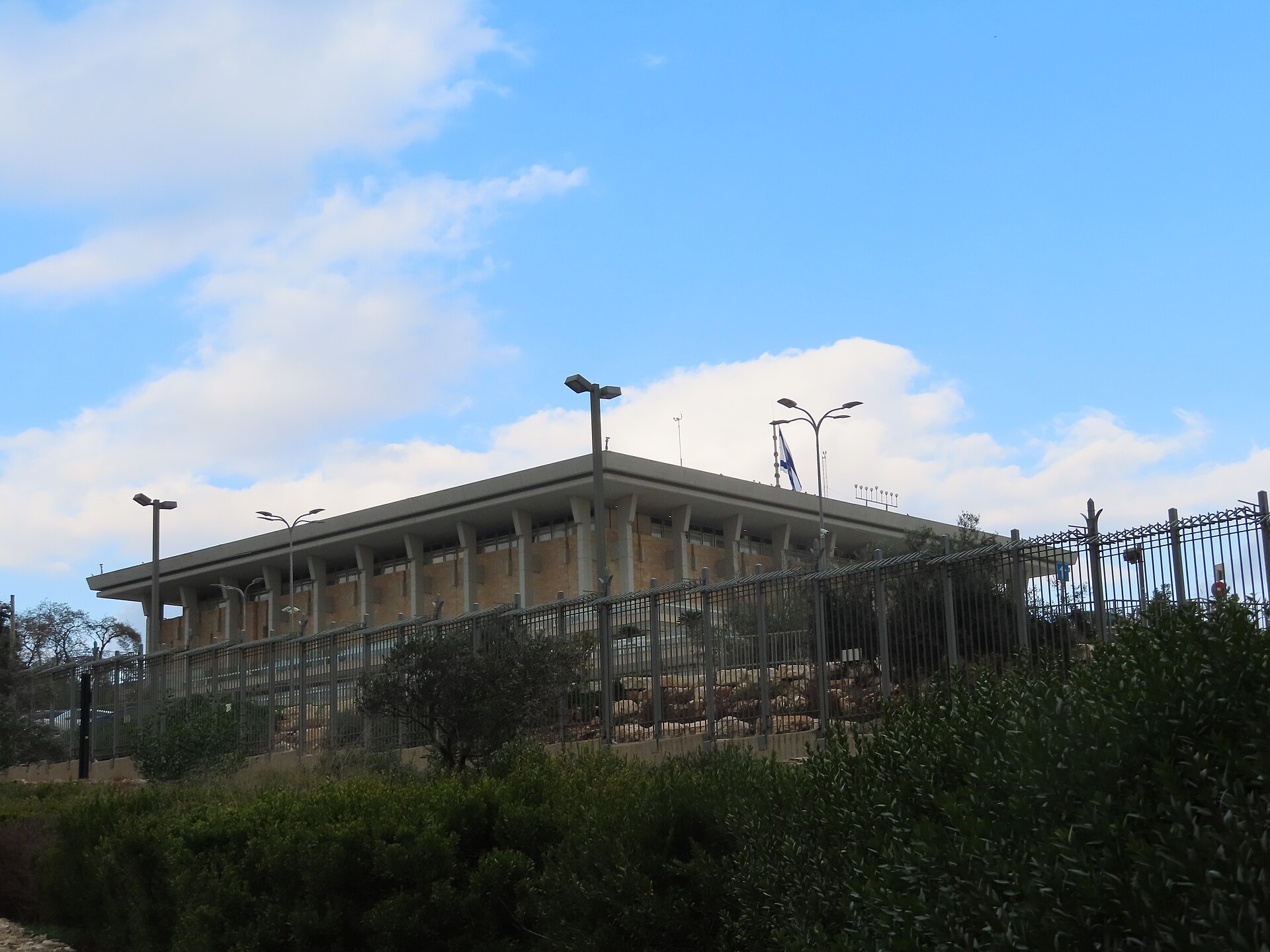
Exit polls after Israel’s Oct. 27 election showed neither Prime Minister Benjamin Netanyahu’s bloc nor the opposition bloc led by Gadi Eisenkot reaching the 61 seats needed for a majority in the 120-seat Knesset, with Likud projected as the largest party and Arab parties on course for a record result.
The numbers moved through the night and differed by broadcaster. Channel 12’s first poll gave Eisenkot’s bloc 52 seats and Netanyahu’s 50, then was revised to put Netanyahu’s bloc ahead 52 to 49, with Likud at 27 seats and Eisenkot’s Yashar party at 21, the Times of Israel reported in its live blog. Kan 11 had the two blocs level at 51 seats each, according to the same blog. Channel 14, a channel seen as favourable to Netanyahu, gave his coalition 60 seats and the opposition 43, the Times of Israel said.
PBS NewsHour, which described the vote as having no clear winner, put Netanyahu’s bloc at about 50 seats and the opposition at 52 or 53. Exit polls can be wrong, and the Central Elections Committee’s final count may differ from them. Preliminary results were expected within hours and final results in the coming days, PBS reported.
Arab parties were projected to win between 17 and 19 seats, the most they have taken, according to the Times of Israel’s live blog. Both blocs have so far refused to partner with them, and Netanyahu has ruled out forming a government with them, which leaves them potential kingmakers. That arithmetic points to weeks of coalition negotiations, PBS said, and the outcome could end with a prime minister being named or with another election being called.
Turnout was the highest in decades. More than 74 per cent of eligible voters had cast ballots by 8 p.m. local time, about eight percentage points above the same point in the 2022 election, the Central Elections Committee said, as reported by PBS. The Times of Israel put near-final turnout at 77.7 per cent, the highest since 1999. More than seven million people were eligible to vote, and about 330,000 were voting for the first time.
Likud asked for voting hours to be extended past 10 p.m., but the committee refused, PBS reported. Netanyahu called the moment fateful during the day and said Arab parties were receiving massive support, a claim for which he offered no evidence, PBS said.
Eisenkot, a former military chief of staff, said the public had voted for change and against Netanyahu remaining prime minister, the Times of Israel reported. He urged Netanyahu to accept the result, said another election would be a mistake given the high turnout and pledged to form a government. He noted that the figures were exit polls pending the final count.
The vote is the first Knesset election since the Hamas attacks of Oct. 7, 2023. Before election day, an average of polls collated by Haaretz had projected 50 seats for Netanyahu’s bloc and 54 for the opposition bloc. Our reports on record turnout during the day and the polling picture before the vote set out the background.
No party in Israel’s history has won an outright majority on its own, so any government will have to be assembled from a coalition once the final count is certified. These figures are preliminary and will be updated as official results are released.
If you find reporting like this useful, consider supporting Canada News Media, an independent Canadian newsroom with no corporate parent.
Follow Canada News Media
Get the day's top Canadian stories and our two daily 60-second news videos wherever you scroll.
X Threads Facebook Instagram LinkedIn TikTok YouTube Pinterest Reddit Substack Flipboard Newsletter RSS