

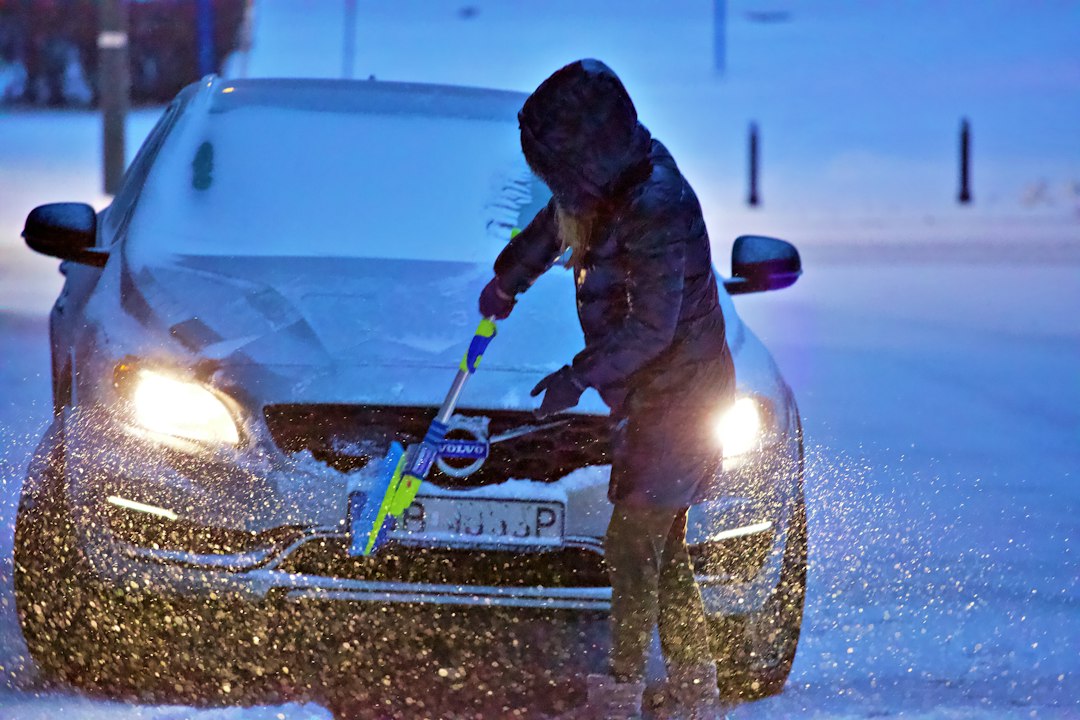
To clear snow and ice off your car properly, remove it from the entire windshield, every window, the mirrors, the lights and the roof before you drive, and do not count on the defroster to finish the job. Drivers in Quebec can be fined for leaving windows obstructed or for driving a vehicle covered in snow or ice that could fly off, and Ontario’s Highway Traffic Act carries a fine for driving a snow-impaired vehicle.
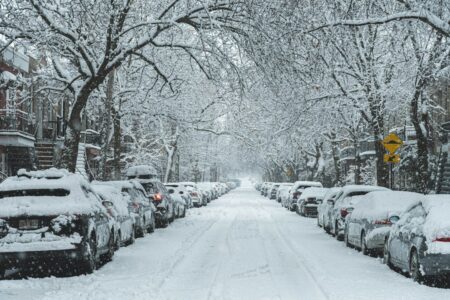
The first heavy snowfalls are arriving across much of the country, and that is when rushed morning routines lead to a small peephole scraped in the windshield. The Société de l’assurance automobile du Québec (SAAQ) said a vehicle’s windshield and windows must be cleared of anything that might reduce visibility for the driver. It also said no person may drive a vehicle covered with ice, snow or any other matter that may detach and become a hazard for other road users. A sheet of snow sliding off a roof can land on the windshield of the car behind you, which is why the rules exist.
The steps below follow the advice published by the SAAQ and by the insurer Onlia. Allow a few extra minutes on snowy mornings, because the job takes longer than most people expect.
Step 1: Keep the right tools in the car
The SAAQ recommends carrying a snow brush, an ice scraper, windshield washer fluid and a shovel in the vehicle during winter. Keep them inside the passenger compartment or the trunk rather than the garage, since you may need them when you are parked away from home. Our guide to building a winter car emergency kit covers what else to pack.
Step 2: Begin with the glass
Start with the front and rear windshields and all four side windows. Onlia said brushing off a tiny spot will not cut it, and it warned against driving with partially covered windows while the car warms up to melt the rest. Clear the full surface of each window so you can see to the edges. For stubborn ice, see our explainer on how to defrost a car windshield fast.
Step 3: Clear the side-view mirrors
Onlia said people often forget their side-view mirrors. Brush the snow off each mirror and scrape any ice from the glass so you can see traffic beside and behind you.
Step 4: Scrape ice off the body of the car
Onlia advised scraping the ice off the car itself, not only the windows. Ice left on the car can break away once you are moving. Clear the headlights and taillights as well so other drivers can see you.
Step 5: Brush the roof last
Finish with the roof. Onlia said snow left on top can slide back onto the rear windshield once you start driving, and snow that blows off can land on the vehicle behind you. Push the snow away from you and off the far side of the car. If you drive a tall vehicle such as a van or an SUV and cannot reach the middle of the roof from the ground, use a snow brush with an extension handle. Do not climb onto the vehicle to clear it. Falls from a roof or a bumper are a real risk on icy pavement, so if you cannot reach it safely from the ground, get a longer tool or ask for help.
Step 6: Check your wipers and washer fluid
Lift the wiper blades off the glass to make sure they are not frozen to the windshield, and top up your washer fluid so you can clean off road salt spray as you drive. Our guide to prepping wipers and washer fluid for winter explains what to check before the cold sets in.
Step 7: Reschedule the trip if conditions are poor
The SAAQ advised that drivers postpone a trip when the weather is bad and the trip is not essential. If you must go, drive slowly, leave extra space and turn on your headlights. The SAAQ also warned drivers to watch for black ice, even when the day looks nice, and reminded them to have winter tires on by Dec. 1. Our overview of winter driving rules by province sets out the tire requirements across the country.
What the law says depends on where you live. In Quebec, the SAAQ said the fine for obstructed windows ranges from $100 to $200, and the fine for driving a vehicle covered with snow or ice that could detach ranges from $60 to $100. MTL Blog reported in January 2025 that the two offences together can add up to more than $300 and that officers can order you to clear the vehicle before you drive away. Onlia reported a $110 fine in Ontario under the Highway Traffic Act for driving a snow-impaired vehicle. Fine amounts change, so check your provincial transportation ministry or police service for current figures.
Keep the tools within reach, and make the full clear-off part of every winter departure. It protects you and everyone behind you.
If you find reporting like this useful, consider supporting Canada News Media, an independent Canadian newsroom with no corporate parent.
Sources: Société de l’assurance automobile du Québec, via CTV Montreal; Onlia, “Snow Safety: Clearing the Snow Off Your Vehicle”; MTL Blog, Jan. 10, 2025.
Follow Canada News Media
Get the day's top Canadian stories and our two daily 60-second news videos wherever you scroll.
X Threads Facebook Instagram LinkedIn TikTok YouTube Pinterest Reddit Substack Flipboard Newsletter RSS