


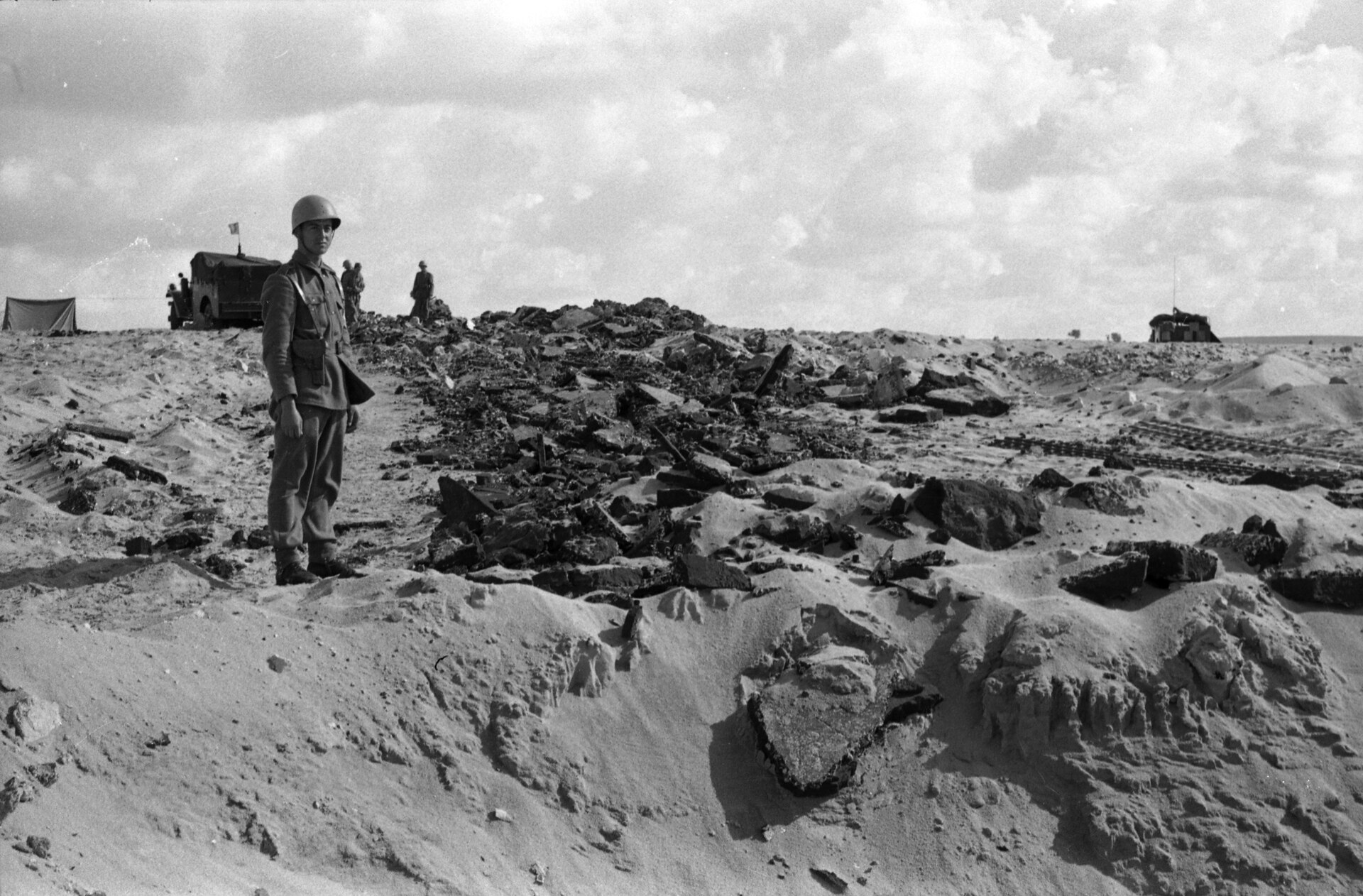
On Nov. 5, 1956, the United Nations General Assembly moved to create the first United Nations Emergency Force and placed a Canadian, Maj.-Gen. E.L.M. Burns, in command of it, a decision that launched modern peacekeeping and gave Canada a role it would carry for decades.
The force was a response to the Suez Crisis. Britain, France and Israel had attacked Egypt after President Gamal Abdel Nasser nationalized the Suez Canal, and the General Assembly met in an emergency session in the first days of November. Lester Pearson, Canada’s external affairs minister, was at the centre of the diplomacy. According to The Canadian Encyclopedia, Canada abstained on the Nov. 1 ceasefire vote because Pearson believed a ceasefire alone would not hold. He pressed instead for a neutral international force to stand between the armies.
The Assembly acted quickly. Resolutions passed on Nov. 4 and 5 asked for a plan, set up a United Nations Command and named its commander. The Department of National Defence dates Resolutions 998 to 1000 to Nov. 4-5 and says they appointed Burns as force commander. Wikipedia’s account of the emergency session lists the command resolution under Nov. 5 but says in its text that Burns was appointed on Nov. 4, so sources differ by a day on the exact moment of his nomination.
Burns was an unusual choice for a force meant to reassure everyone. He was a Canadian general who had been serving as chief of staff of the UN Truce Supervision Organization in the Middle East, so he already knew the region and its disputes. Pearson later won the Nobel Peace Prize for his part in creating the force, the Canadian Encyclopedia said.
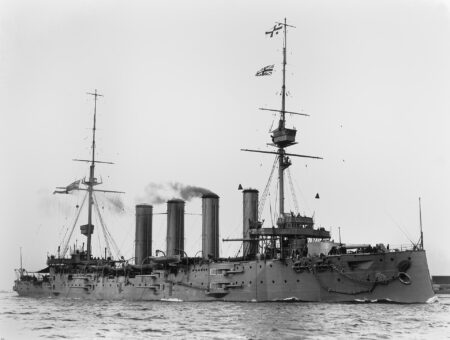
Canada’s own contribution did not go smoothly. The Department of National Defence said about 950 soldiers of the 1st Battalion, Queen’s Own Rifles of Canada were flown to Halifax to sail with HMCS Magnificent. Egypt objected to their deployment because, the story goes, the regiment’s name and uniforms looked too British. The department said Canada agreed on Dec. 11 that the battalion would not deploy. The department also notes a second reading, that the objection let Nasser show Egypt had not surrendered its sovereignty.
Canada sent service and logistics troops instead. The Canadian Encyclopedia said the first Canadian peacekeepers reached Egypt on Nov. 24, 1956, and that more than 1,100 Canadian military personnel were stationed there by January 1957. Engineers began mine clearing on Dec. 1, 1956, the department said. By February 1957 the force numbered 6,073 personnel from 10 countries.
The force stayed for more than a decade. Nasser ordered it out of Egypt on May 16, 1967, and the Royal Canadian Air Force evacuated the Canadian contingent from May 29 to May 31, days before the Six Day War began on June 5. The department said 31 Canadians died on the mission, most in vehicle accidents.
The model Pearson sketched in November 1956 shaped later missions: troops from neutral countries, deployed with the host government’s consent, to keep armies apart rather than to fight. Canada went on to take part in dozens of UN operations, and the idea remains part of how many Canadians see their country’s place in the world. It also connects to how Canadians mark Nov. 11, when communities honour the men and women who served. Readers can find local plans in our guides to wearing a poppy in 2026 and to Remembrance Day holidays by province.
If you find reporting like this useful, consider supporting Canada News Media, an independent Canadian newsroom with no corporate parent.
Follow Canada News Media
Get the day's top Canadian stories and our two daily 60-second news videos wherever you scroll.
X Threads Facebook Instagram LinkedIn TikTok YouTube Pinterest Reddit Substack Flipboard Newsletter RSS