


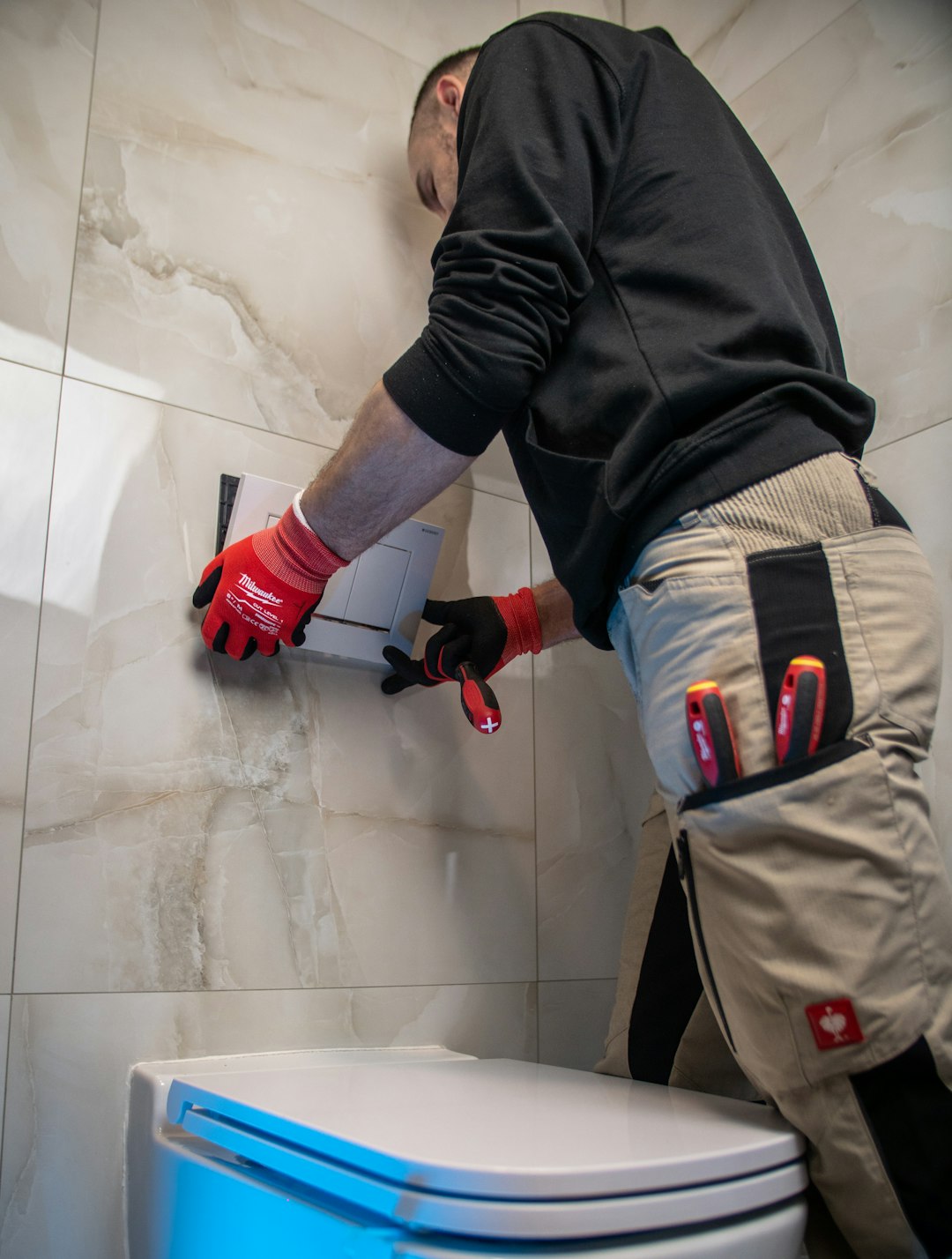
A running toilet is almost always caused by a flapper that no longer seals or a fill valve set too high, and both are usually fixable in under an hour with a part that costs about US$20 or less. Start by lifting the tank lid and watching where the water goes.
The problem matters now because Canadians are sealing up their homes for winter, and a toilet that keeps running quietly adds to the water bill while the bathroom is the one room people check least. The fix is also well within reach of a beginner: Home Depot rates it a beginner job, and Bob Vila estimates 15 to 30 minutes of working time and $10 to $20 in parts. The steps below follow guidance from Family Handyman, Home Depot and Bob Vila, which agree on the order of the checks but not on every measurement. Where they differ, this guide says so.
None of this involves electrical, gas or structural work, so it is a reasonable DIY job. If water is pooling on the floor, if the supply line or shut-off valve itself leaks, or if the toilet rocks or the base leaks, call a licensed plumber instead.
- Read the symptom first. Home Depot says a tank that fills constantly without a quick flush-through points to the fill valve. Water rushing quickly through the bowl points to a stuck flapper or flush valve, and a toilet that runs at random times usually has a slow leak at the flapper.
- Check the chain and flapper. Remove the lid. A chain caught under the flapper or tangled with the flush arm can hold the flapper open, Home Depot said. Untangle it and check that the flush arm’s retaining nut is not loose. Bob Vila also advises cleaning a flapper that grime is stopping from closing, and looking for warping or wear.
- Test the flapper. With the toilet running, push the flapper down with a stick. Family Handyman said that if the sound stops, the flapper is not sealing and should be replaced.
- Replace the flapper if needed. Turn off the supply valve behind the toilet, flush, and let the tank drain. Note the chain’s length, unhook the old flapper and fit a new one of the same type. Reconnect the chain at the same length, Home Depot and Bob Vila said, with a little slack when the flapper is closed, according to Family Handyman. Turn the water on, flush and watch that the flapper closes fully.
- Check the water level. If water is running into the overflow tube, the level is too high. Bob Vila said to turn the float adjustment screw about a quarter turn counterclockwise and repeat until water stops flowing into the tube. Family Handyman gave a target of one-half to one inch below the top of the overflow pipe, while Home Depot said about one-quarter inch below the top of the fill tube. Because the targets differ, follow the instructions printed on your valve if it has them.
- Test the fill valve. Flush, then lift the float arm while the tank refills. If the water stops, the valve is working and only needs adjusting. If it keeps flowing, the valve is leaking and needs a new seal or replacement, Home Depot and Family Handyman said.
- Replace the fill valve if needed. Shut off the water, flush and sponge out the remaining water. Disconnect the supply line with pliers, loosen the locknut and fit the new valve at the right height. Family Handyman said to tighten the locknut a half turn past hand tight. If you have no shut-off valve behind the toilet, Home Depot said to turn off the water to the whole house.
- Check the fill tube. Family Handyman said the small fill tube should sit at least one-half inch above the water line so it does not siphon water back into the overflow pipe. Reconnect it to the angle adapter on the overflow pipe.
- Flush and watch. Flush two or three times, then watch the tank. If the toilet is still running after the flapper and fill valve are sorted, the overflow tube may be damaged or too short. Bob Vila said the flush valve assembly is the next part to replace, and that is a good point to bring in a plumber if you are unsure.
Fixing a running toilet also helps ahead of the cold months, when homeowners are already checking for leaks. Our guides on preventing frozen pipes, winterizing outdoor faucets and testing a sump pump before winter cover the other water-related jobs worth doing before freeze-up.
If you find reporting like this useful, consider supporting Canada News Media, an independent Canadian newsroom with no corporate parent.
Sources: Family Handyman (updated May 28, 2025), Home Depot (Dec. 15, 2023), Bob Vila (July 29, 2024). Costs are in U.S. dollars as stated by those outlets.
Follow Canada News Media
Get the day's top Canadian stories and our two daily 60-second news videos wherever you scroll.
X Threads Facebook Instagram LinkedIn TikTok YouTube Pinterest Reddit Substack Flipboard Newsletter RSS