


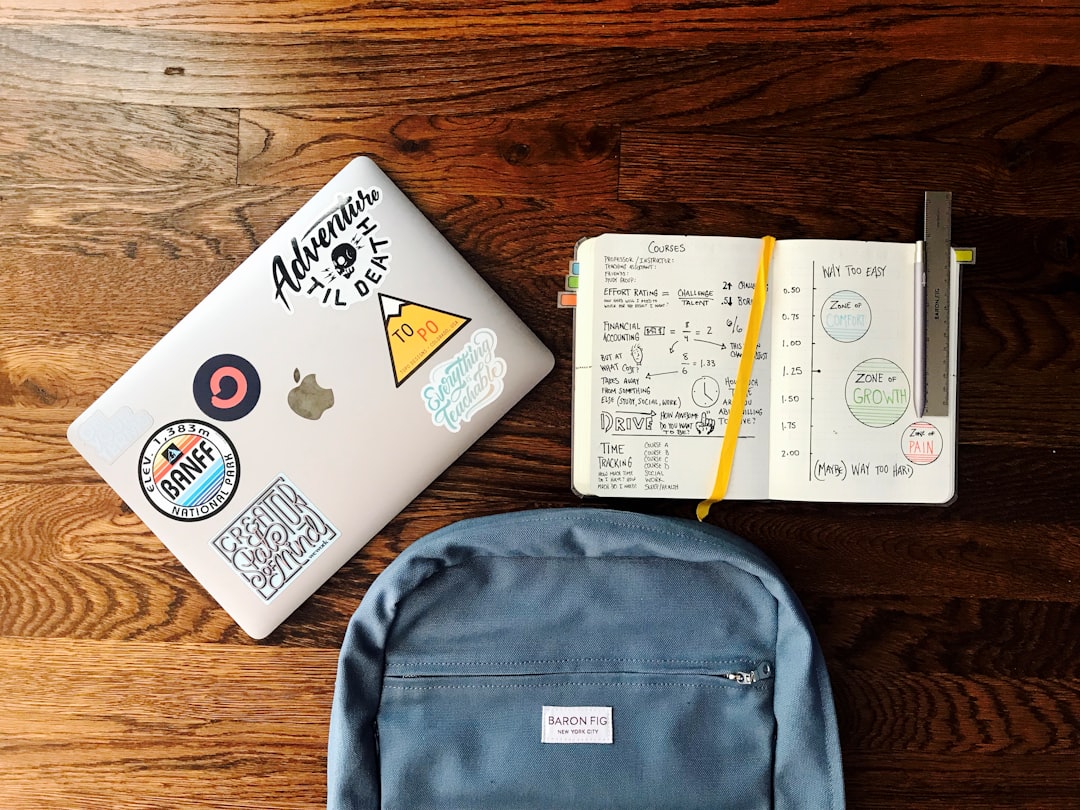
The average Canadian family will spend between $600 and $750 per child on back-to-school costs this year once electronics are included, according to a survey from the Retail Council of Canada and Caddle — and 91% of parents say the shopping is more expensive than in recent years. With most provinces starting classes in the first two weeks of September, the window to plan is closing fast. Here’s a simple, five-step system to build a back-to-school budget that covers what your kids actually need without the last-minute overspending or the credit card debt nearly half of parents say they’re now relying on.
1. Add up last year’s actual spending first
Before setting a number for this year, look at what you actually spent last September — bank and credit card statements are more reliable than memory. Include categories that are easy to forget: shoes bought mid-year when the first pair wore out, a rushed costume or supply purchase, or a laptop replacement. Statistics Canada data shows school textbooks and supplies were 2.7% more expensive in May 2026 than a year earlier, so budget at least that much more than last year’s total just to stay even, before adding anything new.
2. Build the budget by category, not as one lump sum
The Credit Counselling Society recommends breaking the total into specific categories — supplies, clothing and shoes, backpacks and lunch gear, electronics, and extracurricular fees — rather than one vague number. A category budget makes it obvious where the money is actually going and makes it much easier to spot the categories most likely to blow past what you planned, which for most families is clothing and electronics.
3. Set a per-child cap and write it down before you shop
Using the $600–$750 national average as a starting benchmark, set your own per-child cap based on your child’s actual grade and needs — a kindergartener typically needs far less than a highschooler starting a new electives program. Write the number down, on paper or in a notes app, before you set foot in a store or open a shopping tab. Decisions made in the aisle, without a reference number in front of you, are where budgets usually fail.
4. Inventory what you already own before buying anything
Go through backpacks, bins, and closets from last year and sort supplies into three piles: usable, needs replacing, and donate. Many families rebuy items — binders, calculators, gym clothes — that are still in good shape at home. This step alone typically cuts the shopping list by a meaningful amount before a single dollar is spent, and it’s the step that’s easiest to skip when you’re in a hurry.
5. Comparison shop and stagger big purchases
Once you know exactly what’s missing, compare prices across two or three retailers before buying, and watch for the back-to-school sales that typically run through late August. For big-ticket items like laptops or winter coats, consider staggering purchases across a few weeks rather than buying everything in one trip — prices on electronics in particular tend to shift as August progresses, and spacing out purchases also spreads the cost across pay periods instead of hitting one credit card statement all at once. Second-hand options for uniforms, gym clothes, and outerwear are also worth checking, though it’s worth verifying safety recalls before buying used electronics or safety gear like helmets.
Keep the system for next year
Once September starts, keep the receipts and your category breakdown somewhere easy to find — that’s the “actual spending” data step one will need next August. A back-to-school budget doesn’t have to be complicated to work; it has to exist before you start shopping, and it has to be specific enough that you notice when a category is running over. With prices up again this year, that five-minute planning step is worth more than any single-item discount.
Sources: Retail Council of Canada / Caddle back-to-school spending survey (via money.ca and CP24); Statistics Canada CPI data on school textbooks and supplies; Credit Counselling Society (nomoredebts.org) back-to-school budgeting guidance.
Follow Canada News Media
Get the day's top Canadian stories and our two daily 60-second news videos wherever you scroll.