

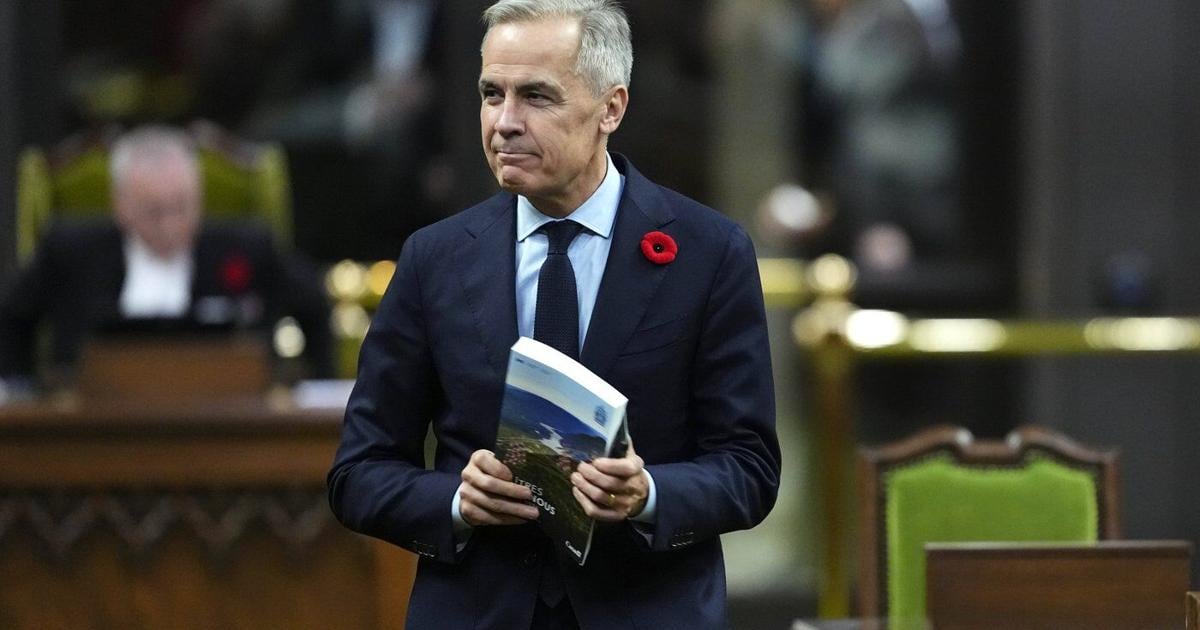
The federal government is promising to end homelessness in Canada within a decade, with the 2026 budget setting aside $11.2 billion over four years, starting next year, and $17.8 billion over 10 years.
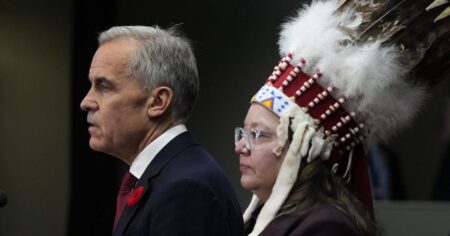
Prime Minister Mark Carney is to travel to Winnipeg on Friday to highlight the measures with Manitoba Premier Wab Kinew, Winnipeg Mayor Scott Gillingham and Montreal Mayor Soraya Martinez Ferrada, The Canadian Press reported.
The budget, tabled Thursday, says Winnipeg is where the new plans begin. The document estimates about 2,000 people there are currently unhoused, and says Ottawa will work with public and private partners to build a new Centre for Mental Health and Addictions and add 2,000 transitional and supportive homes.
The government says it would “create the conditions to end homelessness” through a new fund for projects that combine housing with health, addictions and social supports. Finance Minister François-Philippe Champagne called the plan one of the government’s “flagship” policies, according to The Canadian Press.
Under the proposal, Ottawa would cover capital costs for supportive and transitional housing. Provincial and territorial governments would pay for ongoing operations and services such as training, income and health supports. The federal government said it will work to sign agreements with provinces and territories before next year’s spring economic update.
The budget also commits $2 billion to new community mental health and addictions facilities, continued support for the Veterans Homelessness Program, and expanded non-market housing, with 200,000 new homes over the next decade. Billions more are earmarked for the Canada Housing Benefit to help low-income renters.
The budget estimates 65,000 people in Canada were experiencing homelessness in a 2025 federal count. A 2022 Statistics Canada study found nearly one in eight households reported experiencing some form of homelessness at some point, and more than one in four Indigenous people did.
Tim Tierney, president of the Federation of Canadian Municipalities, said the budget enables the kind of decisive action cities have wanted, but added that provinces and territories “must step up with the operating funding as well as health and social supports essential to success.” Tim Richter, CEO of the Canadian Alliance to End Homelessness, called it “the essential first step” and said all provinces, territories and cities now need to align behind the goal. The alliance holds a national conference in Winnipeg next week.
Front-line groups welcomed the target while warning that housing alone will not be enough. Sara Goldvine, chief operating officer of Coast Mental Health in Vancouver, said “significant progress” is possible but depends on the right supports. Nick Wells of the Union Gospel Mission in Vancouver’s Downtown Eastside called the pledge ambitious and said wraparound supports are needed for people with chronic homelessness and severe mental illness or addiction.
The homelessness plan sits alongside the budget’s $62.3 billion projected deficit and a $25 billion fund. Our earlier coverage covers the deficit and the new fund and what the budget means for household budgets. We also reported on the Kuujjuaq elders’ home being turned into a temporary homeless shelter in Nunavik.
If you find reporting like this useful, consider supporting Canada News Media, an independent Canadian newsroom with no corporate parent.
Follow Canada News Media
Get the day's top Canadian stories and our two daily 60-second news videos wherever you scroll.
X Threads Facebook Instagram LinkedIn TikTok YouTube Pinterest Reddit Substack Flipboard Newsletter RSS